Parking in Spain: A Complete Guide for Drivers
Spain is one of Europe’s most popular travel destinations, attracting millions of tourists every year. Whether you are visiting the bustling streets of Madrid, the historic charm of Barcelona, or the serene coastlines of Andalusia, knowing how parking works in Spain is essential for a smooth trip. From city centers to rural towns, this guide covers everything you need to know about parking in Spain.
Types of Parking in Spain
Understanding the types of parking available in Spain can save you time, stress, and even money. Here are the main types:
1. On-Street Parking
On-street parking is common in Spanish cities and towns. Parking spaces are usually marked with colored lines:
- Blue Zones (Zona Azul): These are paid parking areas. You need to purchase a ticket from a nearby machine and display it on your dashboard. Time limits vary depending on the city.
- Green Zones (Zona Verde): These are typically reserved for residents with permits. Non-residents can park for a short duration but often at a higher cost.
- White Zones: Free parking is rare in city centers but sometimes available in quieter areas. Always check signs to avoid fines.
2. Parking Lots (Parkings Públicos)
Public parking lots, known as “parkings públicos,” are scattered throughout cities. These are usually more expensive than street parking but are safer and convenient for longer stays. Many are equipped with electronic payment systems.
3. Private Parking
Hotels, restaurants, and private garages often provide parking for guests. Some offer free parking, while others charge a fee. This option is ideal if you plan to leave your car for several hours or overnight.
4. Underground Parking
Large cities like Madrid, Barcelona, and Valencia offer underground parking facilities. These provide maximum security and are especially convenient during rainy seasons. They tend to be more expensive, but the convenience is unmatched.
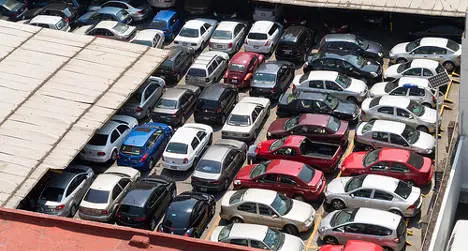
Parking Rules and Regulations in Spain
Spain has strict parking regulations to maintain traffic flow and safety. Ignoring them can result in fines or even your car being towed. Here’s what you need to know:
1. Parking Meters
In many cities, you must pay at a parking meter or via mobile apps. Machines accept coins, credit/debit cards, and sometimes digital wallets. Always check the payment instructions and make sure the ticket is clearly visible on your dashboard.
2. Time Limits
Many parking zones, especially blue zones, have strict time limits, usually ranging from 30 minutes to 2 hours. Exceeding the time limit can result in fines.
3. Disabled Parking
Parking spaces for disabled drivers are marked with a wheelchair symbol. Only vehicles displaying a valid European disabled parking permit can park here. Violators face hefty fines.
4. No-Parking Zones
Do not park in yellow zones, pedestrian areas, bus stops, or near intersections. Spanish traffic authorities enforce these rules rigorously, and your car may be towed if parked illegally.
5. Towing and Fines
Illegal parking can result in fines starting from €90, and in severe cases, your vehicle may be towed to a municipal car park. Always read the signs carefully and park in designated areas.
Parking in Major Spanish Cities
Parking rules and prices vary depending on the city. Here’s a quick overview of parking in some major destinations:
1. Madrid
Madrid has an extensive parking system, including blue zones, green zones, and public garages. Street parking can cost €1–€3 per hour, while underground parking starts from €2 per hour. Use apps like ElParking or Telpark for convenient payment.
2. Barcelona
Barcelona is known for its tight streets. On-street parking is limited and mostly blue zones. Hourly rates range from €1.50 to €3. Underground parking is available at €2–€4 per hour. Booking in advance through apps like Parclick is recommended.
3. Valencia
Valencia offers a mix of on-street and parking lots. Blue zones cost €1 per hour, and free parking is available on weekends in certain areas. The city has several secure underground garages.
4. Seville
In Seville, blue zones dominate the city center. Parking rates are around €1–€2 per hour. Many hotels offer private parking, which can be a cost-effective option if staying overnight.
Tips for Finding Parking in Spain
Finding a parking spot in Spain can be challenging, especially in tourist hotspots. Here are practical tips:
- Use Parking Apps: Apps like ElParking, Telpark, and Parclick provide real-time information on available parking spots and allow cashless payments.
- Plan Ahead: If visiting popular tourist areas, try to park outside the city center and use public transport.
- Avoid Rush Hours: Traffic congestion is worst during mornings and evenings. Plan your trips to avoid peak hours.
- Check Signs Carefully: Spanish parking signs can be confusing for tourists. Always double-check the colors, symbols, and time restrictions.
- Consider Overnight Parking: Some parking lots offer overnight rates that are cheaper than street parking.
Parking Costs in Spain
Parking costs in Spain depend on the type of parking, location, and duration:
- Blue Zones: €1–€3 per hour.
- Green Zones: €2–€4 per hour.
- Public Parking Lots: €1.50–€4 per hour; daily rates €15–€30.
- Hotel Parking: €10–€25 per night depending on the city.
- Airport Parking: Long-term parking ranges from €4–€10 per hour, with discounted daily rates.
Adhering to local parking etiquette helps avoid fines and maintains harmony on busy streets:
- Always park within the marked lines.
- Never block driveways, pedestrian crossings, or access ramps.
- Use hazard lights only in emergencies.
- If using a parking garage, take a ticket and pay at the machine before exiting.
Alternatives to Parking in Spain
If finding parking seems too stressful, Spain offers several alternatives:
- Public Transport: Cities like Madrid and Barcelona have excellent metro, bus, and tram networks.
- Biking: Many Spanish cities have bike-sharing schemes with dedicated lanes.
- Walking: City centers are often pedestrian-friendly, making walking a convenient option.
- Car Sharing: Services like Share Now provide short-term rentals, often including parking solutions.
READ ABOUT:
Last Minute Alhambra Tickets: Your Ultimate Guide
Conclusion
Parking in Spain may seem challenging at first, especially in major cities and tourist hotspots. However, understanding the parking zones, regulations, and available apps makes the process much easier. Whether you choose on-street parking, underground garages, or private lots, planning ahead and following local rules ensures a hassle-free experience.
By staying informed, using modern parking apps, and considering alternatives like public transport, you can enjoy exploring Spain without worrying about your car. From Madrid to Barcelona and Seville, this guide helps both tourists and residents navigate Spain’s parking system efficiently.
Frequently Asked Questions (FAQ) About Parking in Spain
1. Is parking free in Spain?
Parking in Spain is mostly paid, especially in city centers. Blue zones (zona azul) require payment, while green zones (zona verde) are usually reserved for residents. Some areas outside city centers may offer free parking.
2. How much does parking cost in Spain?
Parking costs vary depending on the city and type of parking. On-street blue zones typically cost €1–€3 per hour, underground garages €2–€4 per hour, and hotel parking €10–€25 per night. Airport parking has hourly and daily rates.
3. What do the colored parking zones mean in Spain?
- Blue Zone (Zona Azul): Paid public parking with time limits.
- Green Zone (Zona Verde): Reserved mainly for residents, with short-term paid parking for visitors.
- White Zone: Free parking (rare in city centers).
- Yellow Zone: No parking allowed.
4. Can tourists park in Spain?
Yes, tourists can park in most public zones, but they must follow the rules, pay fees, and avoid areas reserved for residents or disabled parking.
5. Are there apps for paying parking in Spain?
Yes, popular apps include ElParking, Telpark, and Parclick, which allow cashless payments and help locate available parking spots.
6. What happens if I park illegally in Spain?
Illegal parking can result in fines starting from €90, and in some cases, your car may be towed to a municipal car park. Always check parking signs carefully.
7. Is it easy to find parking in Spanish cities?
Finding parking in major cities like Madrid and Barcelona can be challenging, especially during peak hours. Using apps, parking garages, or planning outside city centers can help.
8. Can I park overnight in Spain?
Yes, in public garages or private hotel parking. Some blue zone street parking may have overnight restrictions, so always check local signs.
9. Are disabled parking spaces available in Spain?
Yes, spaces marked with a wheelchair symbol are available, but only vehicles displaying a valid European disabled parking permit can use them.
10. What are alternatives to parking in Spain?
If parking is difficult, consider using public transport, walking, biking, or car-sharing services like Share Now for convenience.