Long Distance Hiking: The Ultimate Guide for Adventurers
Long distance hiking has captured the imagination of outdoor enthusiasts worldwide. Whether it’s traversing rugged mountain trails, exploring scenic forests, or walking hundreds of miles along famous routes, this form of hiking challenges both the body and the mind. Unlike day hikes, long distance hikes require careful planning, endurance, and a deep connection with nature. In this guide, we’ll explore everything you need to know about long distance hiking—from preparation and gear to mental strategies and popular trails.
What Is Long Distance Hiking?
Long distance hiking refers to walking extended distances over several days, weeks, or even months. Trails can vary from hundreds to thousands of miles and often pass through diverse terrains, including mountains, deserts, and forests. Unlike short day hikes, long distance hikes require carrying all essential gear, including food, shelter, and clothing, in a backpack.
Key features of long distance hiking include:
- Multi-day or multi-week treks
- Self-sufficiency and planning
- Exposure to changing weather conditions
- Physical and mental endurance challenges
Famous long distance trails, such as the Appalachian Trail in the United States or the Camino de Santiago in Spain, have inspired thousands of hikers to pursue this rewarding adventure.
Benefits of Long Distance Hiking
Long distance hiking offers a wide range of benefits for both body and mind. Some of the most notable benefits include:
Physical Fitness
Hiking long distances improves cardiovascular health, strengthens muscles, and enhances flexibility. Carrying a backpack adds resistance training for the legs, back, and core, helping build functional strength. Regular long distance hiking also contributes to better bone density and overall stamina.
Mental Clarity
Being immersed in nature has proven psychological benefits. Long distance hiking encourages mindfulness, reduces stress, and promotes mental clarity. Walking for hours in natural surroundings allows hikers to disconnect from technology and daily stressors, fostering a sense of peace and self-awareness.
Personal Growth
Completing a long distance hike is a test of perseverance and resilience. Hikers learn to overcome physical discomfort, fatigue, and unpredictable conditions, which can build confidence and problem-solving skills. The journey often leads to profound self-discovery.
Connection With Nature
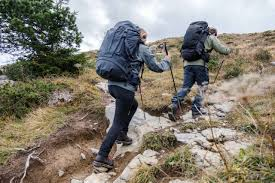
Long distance hiking provides an unparalleled opportunity to connect with the natural world. Observing wildlife, witnessing breathtaking landscapes, and experiencing changing weather patterns deepen a hiker’s appreciation for the environment.
Essential Gear for Long Distance Hiking
Proper gear is critical for a successful long distance hike. Since hikers often carry everything on their back, gear must balance functionality, comfort, and weight. Here’s a list of essential items:
Backpack
A well-fitted backpack is essential. For long distance hiking, backpacks usually range from 40 to 70 liters, depending on the duration of the hike. Features to look for include padded shoulder straps, hip belts, and multiple compartments for organization.
Footwear
Quality hiking boots or trail runners with good ankle support and cushioning are vital. Proper footwear prevents blisters, injuries, and discomfort over long distances.
Clothing
Layered clothing is recommended to adapt to changing weather. Moisture-wicking base layers, insulating mid-layers, and waterproof outer layers are essential. Lightweight, quick-drying fabrics are preferred.
Shelter
Depending on the hike, tents, bivy sacks, or hammocks may be used. Shelter should be lightweight, durable, and easy to set up.
Sleeping System
A sleeping bag rated for the expected temperatures and a comfortable sleeping pad are necessary for rest and recovery.
Navigation Tools
Maps, compasses, and GPS devices help hikers stay on track. Familiarity with navigation tools is crucial, especially in remote areas.
Food and Water
High-calorie, non-perishable food is recommended. Water purification methods, such as filters or tablets, ensure safe drinking water during the trek.
Safety Essentials
First aid kits, headlamps, multi-tools, and emergency communication devices enhance safety. Knowledge of basic first aid and emergency protocols is essential.
Preparing for a Long Distance Hike
Preparation is key to a successful hike. Physical conditioning, route planning, and logistics must be considered in advance.
Physical Conditioning
Long distance hiking demands cardiovascular endurance, muscular strength, and joint flexibility. Training may include:
- Walking or running with a weighted backpack
- Strength exercises for legs, core, and back
- Stretching and mobility exercises
- Incremental hikes to build stamina
Route Planning
Choosing a suitable trail is vital. Beginners may prefer well-marked, moderately challenging trails, while experienced hikers may opt for more remote and rugged paths. Consider the following:
- Distance and expected duration
- Terrain and elevation changes
- Climate and seasonal conditions
- Resupply points for food and water
Logistics and Permits
Some long distance trails require permits or fees. Research ahead of time to secure the necessary permissions. Additionally, plan for food resupplies, accommodation (if needed), and emergency exit strategies.
Mental Preparation
Long distance hiking is as much a mental challenge as a physical one. Preparing mentally helps deal with isolation, fatigue, and unpredictable conditions. Visualization, goal setting, and positive self-talk are effective strategies.
Common Challenges and How to Overcome Them
Long distance hiking comes with its share of challenges. Being prepared can help overcome them:
Blisters and Foot Pain
Wearing properly fitted boots and moisture-wicking socks, and gradually breaking in footwear can reduce foot problems. Carry blister care supplies like moleskin or bandages.
Weather Conditions
Weather can change rapidly, especially in mountainous regions. Always carry waterproof clothing and check forecasts before heading out.
Physical Fatigue
Pacing yourself and taking regular breaks prevents overexertion. Adequate hydration and nutrition help sustain energy levels.
Navigation Errors
Studying maps, using GPS, and following trail markers reduce the risk of getting lost. Always have a backup navigation plan.
Mental Strain
Long days of hiking can lead to boredom or discouragement. Setting small goals, journaling, or listening to audiobooks (where allowed) can help maintain motivation.
Popular Long Distance Hiking Trails
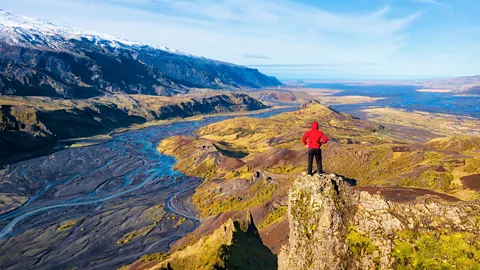
There are numerous trails worldwide catering to long distance hikers. Here are a few renowned options:
Appalachian Trail (USA)
Stretching over 2,190 miles from Georgia to Maine, the Appalachian Trail is one of the most famous long distance trails. It passes through diverse ecosystems, including forests, mountains, and rivers.
Pacific Crest Trail (USA)
Spanning 2,650 miles from Mexico to Canada, the Pacific Crest Trail offers breathtaking landscapes, from deserts to snow-capped mountains.
Camino de Santiago (Spain)
A historic pilgrimage route, the Camino de Santiago attracts thousands of hikers each year. The most popular path, the Camino Francés, covers approximately 500 miles.
Te Araroa Trail (New Zealand)
This trail stretches 1,864 miles from the northern tip of New Zealand to the southernmost point, traversing forests, beaches, and volcanic landscapes.
Great Himalaya Trail (Nepal)
For experienced hikers, the Great Himalaya Trail offers extreme challenges, crossing high-altitude mountains and remote villages over 1,700 miles.
Tips for a Successful Long Distance Hike
- Start with shorter hikes to build endurance
- Test gear before the main hike
- Pack light and focus on multi-purpose items
- Stay hydrated and eat nutrient-dense foods
- Listen to your body and rest when necessary
- Keep a positive mindset and embrace the journey
READ ABOUT:
Travel Tweaks Offers: Smart Ways to Save Money and Travel Better
Conclusion
Long distance hiking is a rewarding and transformative experience that combines physical endurance, mental strength, and a deep connection with nature. With proper preparation, the right gear, and a resilient mindset, anyone can tackle these challenging trails. Whether hiking through the mountains of Nepal, the forests of the United States, or the historic routes of Spain, the journey is as valuable as the destination. For adventurers seeking both challenge and serenity, long distance hiking offers an unforgettable path to personal growth and exploration.
FAQ About Long Distance Hiking
1. What is considered long distance hiking?
Long distance hiking typically involves walking for multiple days or weeks, covering hundreds of miles on trails that require planning, self-sufficiency, and endurance.
2. How do I prepare for a long distance hike?
Preparation involves physical training, route research, gathering the right gear, planning food and water resupplies, and mentally preparing for challenges along the trail.
3. What gear do I need for long distance hiking?
Essential gear includes a suitable backpack, hiking boots, layered clothing, a tent or hammock, sleeping bag, navigation tools, food, water purification methods, and a first aid kit.
4. How much weight should I carry on a long distance hike?
Ideally, your backpack should weigh no more than 20–25% of your body weight. Focus on lightweight, multi-purpose gear to reduce strain and fatigue.
5. How do I prevent blisters and foot pain?
Wear properly fitted boots, moisture-wicking socks, and break in your footwear before the hike. Carry blister care supplies like moleskin or bandages.
6. What are the best long distance hiking trails in the world?
Popular trails include the Appalachian Trail (USA), Pacific Crest Trail (USA), Camino de Santiago (Spain), Te Araroa Trail (New Zealand), and the Great Himalaya Trail (Nepal).
7. How can I stay motivated during long hikes?
Set small goals, take regular breaks, keep a positive mindset, journal your experiences, and enjoy the scenery to maintain motivation.
8. How long does it take to complete a long distance hike?
Completion time varies depending on the trail length, terrain, fitness level, and daily pace. Some hikes take a few weeks, while others can take several months.