Joint Protection Explained: Simple Ways to Prevent Joint Pain
Joint protection is an essential part of maintaining long-term mobility, comfort, and independence. Whether you are an athlete, an office worker, a senior adult, or someone managing joint conditions like arthritis, protecting your joints can significantly improve your quality of life. Healthy joints allow you to move freely, stay active, and perform daily tasks without pain or stiffness.
In this guide, we will explore what joint protection means, why it matters, common causes of joint damage, and practical strategies you can use to protect your joints at every stage of life.
What Is Joint Protection?
Joint protection refers to techniques, habits, and lifestyle choices designed to reduce stress on the joints, prevent injury, and slow down wear and tear. The goal is to preserve joint function while minimizing pain, inflammation, and long-term damage.
Joints are where two or more bones meet. They are supported by cartilage, ligaments, tendons, and muscles. Over time, poor posture, repetitive movements, excess weight, or injuries can weaken these structures, leading to discomfort or chronic joint problems.
Joint protection focuses on:
- Reducing unnecessary strain
- Improving movement efficiency
- Preventing overuse and injury
- Supporting joint health long term
Why Joint Protection Is Important
Protecting your joints is not only important for people with existing joint conditions. Everyone can benefit from joint protection, especially as the body naturally changes with age.
Key benefits of joint protection include:
- Reduced joint pain and stiffness
- Lower risk of injuries and inflammation
- Improved mobility and flexibility
- Better posture and body alignment
- Long-term joint health and independence
Ignoring joint protection can lead to conditions such as osteoarthritis, tendonitis, bursitis, and chronic joint pain.
Common Causes of Joint Damage
Understanding what harms your joints is the first step toward protecting them.
1. Repetitive Movements
Doing the same movement repeatedly, especially with poor technique, puts constant stress on the joints. This is common in office work, factory jobs, sports, and household chores.
2. Poor Posture
Slouching, incorrect sitting positions, or improper lifting techniques increase pressure on joints, particularly in the neck, shoulders, hips, and knees.
3. Excess Body Weight
Extra weight places additional strain on weight-bearing joints like the knees, hips, and ankles. Even a small reduction in weight can significantly decrease joint stress.
4. Lack of Physical Activity
Weak muscles provide less support to joints. Inactivity can lead to stiffness, reduced range of motion, and joint degeneration over time.
5. Injuries and Trauma
Sports injuries, falls, and accidents can damage joint structures, sometimes leading to long-term joint issues if not properly managed.
Principles of Joint Protection
Joint protection is based on simple but effective principles that can be applied in everyday life.
Use Larger and Stronger Joints
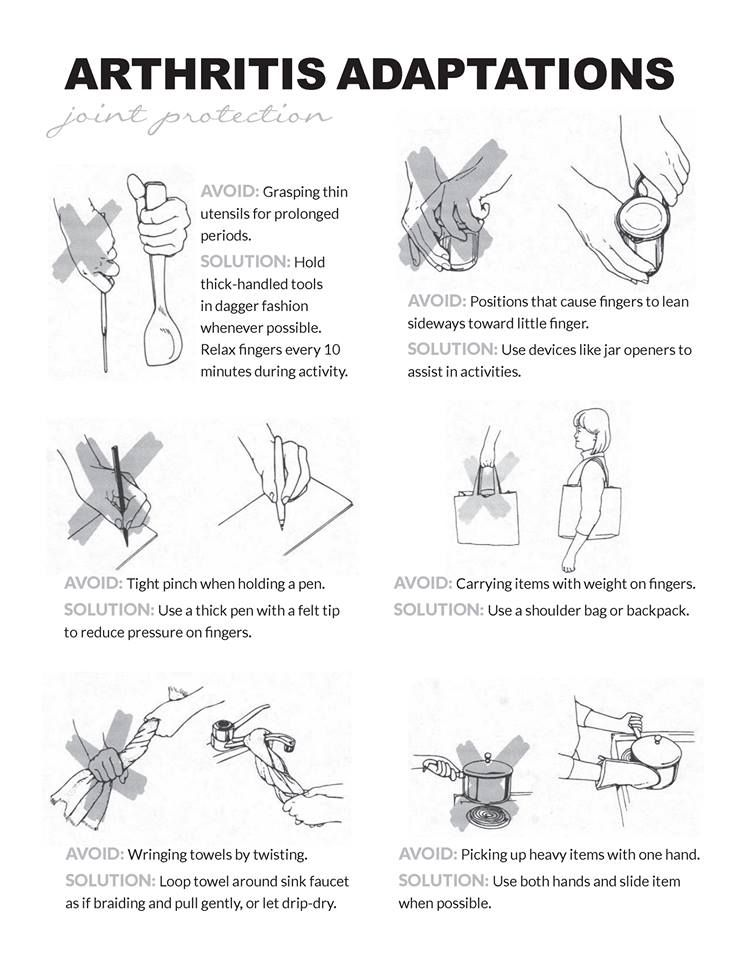
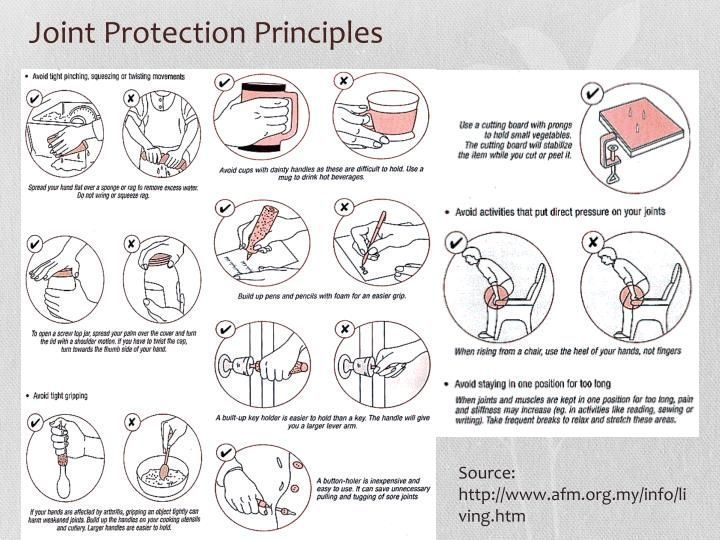
Whenever possible, use larger joints and muscles instead of smaller ones. For example, carry bags with your forearms instead of your fingers to reduce hand strain.
Avoid Prolonged Positions
Staying in one position for too long increases joint stiffness. Change positions regularly to keep joints flexible and reduce pressure.
Respect Pain Signals
Pain is your body’s warning sign. Avoid pushing through joint pain, as it can lead to further damage.
Balance Activity and Rest
Overworking joints can be just as harmful as not using them at all. Alternate activity with rest to allow joints to recover.
Daily Habits That Support Joint Protection
Small changes in your daily routine can make a big difference in joint health.
Maintain Good Posture
- Sit with your back straight and shoulders relaxed
- Keep feet flat on the floor when sitting
- Avoid slouching while using phones or laptops
Proper posture reduces unnecessary strain on joints and muscles.
Lift Objects Safely
- Bend at your knees, not your waist
- Keep objects close to your body
- Avoid twisting while lifting
This protects your knees, hips, and spine from injury.
Use Assistive Tools
Simple tools like jar openers, ergonomic keyboards, or cushioned grips can reduce joint strain during daily tasks.
Exercise and Joint Protection
Regular physical activity is one of the most effective ways to protect your joints.
Low-Impact Exercises
Low-impact activities reduce stress on joints while strengthening muscles.
Examples include:
- Walking
- Swimming
- Cycling
- Yoga
- Pilates
Strength Training
Strong muscles support joints and absorb shock. Focus on controlled movements and proper form rather than heavy weights.
Stretching and Flexibility
Stretching improves joint range of motion and reduces stiffness. Gentle daily stretching can significantly enhance joint comfort.
Joint Protection for Different Age Groups
Joint Protection for Young Adults
Young adults should focus on:
- Proper exercise techniques
- Injury prevention
- Building strong muscles and healthy habits
Early joint protection helps prevent future problems.
Joint Protection for Middle Age
As the body ages, joint care becomes more important:
- Maintain a healthy weight
- Reduce repetitive strain
- Prioritize flexibility and recovery
Joint Protection for Seniors
Older adults benefit from:
- Gentle exercises
- Balance training to prevent falls
- Assistive devices when needed
Joint protection helps seniors stay independent and active longer.
Joint Protection at Work
Work environments often contribute to joint strain.
Office Workers
- Use ergonomic chairs and desks
- Keep screens at eye level
- Take regular movement breaks
Manual Workers
- Use proper lifting techniques
- Wear supportive footwear
- Use protective gear and tools
Making small workplace adjustments can significantly reduce joint stress.
Nutrition and Joint Health
Diet plays a crucial role in joint protection.
Foods That Support Joint Health
- Fatty fish (rich in omega-3 fatty acids)
- Fruits and vegetables (antioxidants reduce inflammation)
- Nuts and seeds
- Whole grains
Stay Hydrated
Water helps maintain cartilage health and joint lubrication.
Maintain a Healthy Weight
Proper nutrition helps manage weight, reducing pressure on joints.
Joint Protection for Arthritis and Chronic Conditions
People with arthritis or chronic joint conditions need to be especially mindful of joint protection.
Helpful strategies include:
- Using joint-friendly tools
- Pacing activities
- Practicing gentle exercises
- Applying heat or cold when needed
Joint protection techniques can reduce flare-ups and improve daily comfort.
Common Mistakes to Avoid
To effectively protect your joints, avoid these common mistakes:
- Ignoring pain and discomfort
- Overtraining or excessive exercise
- Poor posture habits
- Skipping warm-ups and cool-downs
Awareness and consistency are key to long-term joint health.
Long-Term Benefits of Joint Protection
Practicing joint protection consistently leads to:
- Improved mobility
- Reduced risk of joint disease
- Better physical performance
- Enhanced quality of life
Joint protection is not a short-term fix but a lifelong investment in your health.
READ ABOUT:
The Ultimate Guide to Walking Gear and Accessories
Final Thoughts on Joint Protection
Joint protection is essential for maintaining a healthy, active, and pain-free lifestyle. By understanding how joints work and making smart daily choices, you can reduce strain, prevent injuries, and protect your joints for years to come.
Whether through proper posture, regular exercise, balanced nutrition, or simple lifestyle adjustments, joint protection empowers you to move with confidence and comfort at every stage of life.
Start protecting your joints today—your future mobility depends on it.