Chute du Niagara: A Complete Guide to One of the World’s Most Famous Waterfalls
The chute du Niagara, also known as Niagara Falls, is one of the most breathtaking natural wonders in the world. Located on the border between Canada and the United States, this iconic waterfall attracts millions of visitors every year. Whether you are planning a trip, researching famous landmarks, or simply curious about its history and beauty, the chute du Niagara never fails to impress.
In this detailed guide, we will explore everything you need to know about the chute du Niagara, including its location, history, formation, attractions, best time to visit, and travel tips.
What Is the Chute du Niagara?
The term chute du Niagara is the French name for Niagara Falls. It refers to a group of three massive waterfalls that flow from the Niagara River into the Niagara Gorge.
The three waterfalls are:
- Horseshoe Falls (mainly in Canada)
- American Falls (United States)
- Bridal Veil Falls (United States)
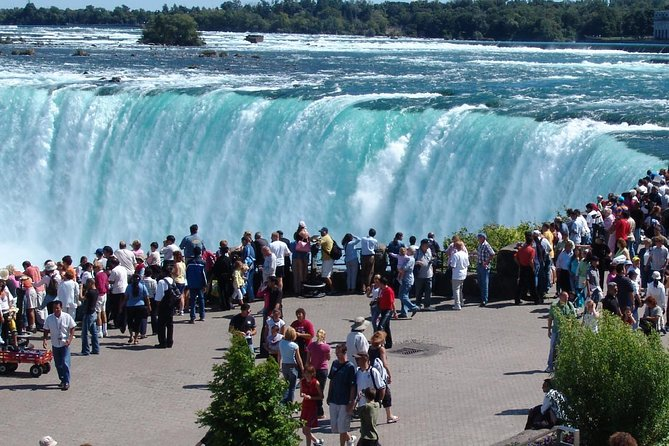
Among these, Horseshoe Falls is the largest and most powerful, making it the centerpiece of the chute du Niagara.
Where Is the Chute du Niagara Located?
The chute du Niagara is located between:
- Ontario, Canada
- New York State, USA
The waterfalls connect Lake Erie to Lake Ontario and form part of the natural border between the two countries. The Canadian side is known for its panoramic views, while the American side offers closer access to the falls.
History of the Chute du Niagara
Indigenous Roots
Long before European explorers arrived, Indigenous peoples lived around the Niagara region. The waterfalls were considered sacred and featured in many legends and spiritual stories.
European Discovery
In the 17th century, French explorer Louis Hennepin was one of the first Europeans to document the falls. His writings introduced the chute du Niagara to the rest of the world, sparking global interest.
Development Over Time
By the 19th century, the area became a major tourist destination. Railways, hotels, and viewing platforms were built, making the falls accessible to visitors from around the globe.
How the Chute du Niagara Was Formed
The chute du Niagara was formed over 12,000 years ago during the last Ice Age. As glaciers melted, massive amounts of water carved through rock layers, creating the Niagara River and the dramatic waterfalls we see today.
The falls continue to erode naturally, moving slowly upstream every year. Although erosion has been slowed by modern engineering, the landscape is still evolving.
Size and Power of the Chute du Niagara
The chute du Niagara is famous for its immense size and power.
Key Facts:
- Height: About 51 meters (167 feet)
- Width: Over 1,200 meters combined
- Water Flow: More than 168,000 cubic meters per minute during peak flow
This makes it one of the most powerful waterfalls in North America, though not the tallest in the world.
Why the Chute du Niagara Is So Famous
Several factors make the chute du Niagara globally famous:
- Massive water volume
- Easy accessibility
- Year-round beauty
- Nighttime illumination
- Combination of natural wonder and city attractions
It is one of the few natural landmarks that looks completely different in every season.
Top Attractions at the Chute du Niagara
Journey Behind the Falls
This popular attraction allows visitors to walk through tunnels and stand on lower observation decks just feet away from the cascading water.
Maid of the Mist Boat Tour
One of the most iconic experiences, this boat ride takes you close to the base of the falls. Expect mist, thunderous sound, and unforgettable views.
Niagara SkyWheel
For a peaceful aerial view, the SkyWheel offers panoramic sights of the chute du Niagara, especially beautiful at night.
Niagara Falls Illumination
Every evening, colorful lights illuminate the waterfalls, transforming them into a magical nighttime spectacle.
Best Time to Visit the Chute du Niagara
Summer (June to August)
- Best weather
- Full access to attractions
- Very crowded
Spring (April to May)
- Fewer crowds
- Strong water flow
- Cool temperatures
Fall (September to October)
- Stunning fall foliage
- Pleasant weather
- Ideal for photography
Winter (November to March)
- Frozen landscapes
- Fewer tourists
- Limited attractions but breathtaking views
Each season offers a unique perspective of the chute du Niagara.
Things to Do Near the Chute du Niagara
Beyond the waterfalls, the surrounding area is packed with activities:
- Niagara Parks Botanical Gardens
- Niagara-on-the-Lake town
- Clifton Hill entertainment district
- Niagara Falls State Park (USA)
- Local wineries and tasting tours
This makes the chute du Niagara perfect for family trips, romantic getaways, and solo travel.
Chute du Niagara and Hydroelectric Power
The immense power of the chute du Niagara is not just for beauty—it also generates electricity.
Hydroelectric plants on both sides of the border use the river’s flow to produce power for millions of homes. This makes Niagara Falls an important example of renewable energy use.

Travel Tips for Visiting the Chute du Niagara
- Bring waterproof clothing or ponchos
- Visit early morning or late evening to avoid crowds
- Use public transport or walking paths to reduce parking hassle
- Check weather conditions before planning activities
- Carry a camera with waterproof protection
These simple tips can greatly improve your experience.
Interesting Facts About the Chute du Niagara
- It never completely freezes, even in winter
- Around 20% of all freshwater in the world passes through the Great Lakes system connected to Niagara
- Stunt performers have attempted dangerous jumps over the falls
- The roar of the falls can be heard from miles away
Why the Chute du Niagara Should Be on Your Bucket List
The chute du Niagara is more than just a waterfall—it is a symbol of nature’s power, beauty, and endurance. Whether you are standing at the edge, riding a boat beneath the mist, or watching the lights reflect off the water at night, the experience is unforgettable.
It combines natural wonder, history, modern attractions, and scenic beauty in one destination.
READ ABOUT:
Boulders Beach Tickets & Prices – Complete Visitor Guide 2026
Conclusion
The chute du Niagara remains one of the most spectacular natural attractions in the world. Its powerful waterfalls, rich history, and endless activities make it a must-visit destination for travelers of all ages.
Whether you are planning a vacation, writing about famous landmarks, or simply exploring the world through words, the chute du Niagara stands as a timeless reminder of nature’s incredible force and beauty.
FAQ – Chute du Niagara
1. Qu’est-ce que la chute du Niagara ?
La chute du Niagara est un ensemble de trois cascades situées à la frontière entre le Canada et les États-Unis : Horseshoe Falls, American Falls et Bridal Veil Falls. C’est l’une des merveilles naturelles les plus célèbres au monde.
2. Où se trouve la chute du Niagara ?
La chute du Niagara se trouve entre l’Ontario, Canada, et l’État de New York, USA, reliant le lac Érié au lac Ontario via la rivière Niagara.
3. Quelle est la meilleure période pour visiter la chute du Niagara ?
Le meilleur moment pour visiter la chute du Niagara est de mai à septembre pour profiter du beau temps et des attractions ouvertes. Le printemps et l’automne offrent moins de foule et de magnifiques paysages.
4. Quelles sont les principales attractions autour de la chute du Niagara ?
Parmi les attractions populaires :
- Maid of the Mist (tour en bateau au pied des chutes)
- Journey Behind the Falls (tunnels et plateformes proches de l’eau)
- Niagara SkyWheel pour une vue panoramique
- Illumination nocturne des chutes
5. La chute du Niagara peut-elle geler en hiver ?
La chute du Niagara ne gèle jamais complètement, même en hiver, bien que les formations de glace créent des paysages spectaculaires. Certaines attractions peuvent être fermées pendant cette période.
6. La chute du Niagara produit-elle de l’électricité ?
Oui, la rivière Niagara est utilisée pour la production d’énergie hydroélectrique des deux côtés de la frontière, alimentant des millions de foyers avec une énergie renouvelable.
7. Combien mesure la chute du Niagara ?
La chute du Niagara a une hauteur moyenne de 51 mètres (167 pieds) et un débit d’eau pouvant dépasser 168 000 mètres cubes par minute en période de crue, ce qui en fait l’une des cascades les plus puissantes d’Amérique du Nord.