A Guide to the Seasons in the Langtang Sanctuary
People ask all the time when they should go. They want a simple answer, a perfect date circled on the calendar for their Langtang trek. But the truth is, you don’t just pick a date. You pick a season, and each one is an entirely different trip. The Langtang Valley doesn’t just sit there waiting for you. It changes clothes. It has moods. Your job is to figure out which version you want to meet.
Everyone knows about spring and autumn. They are the famous ones, the seasons you see in all the brochures for Langtang trekking. And for good reason. They are beautiful and predictable. But calling them the “best” is like saying coffee is better than tea. It just depends on what you’re in the mood for.
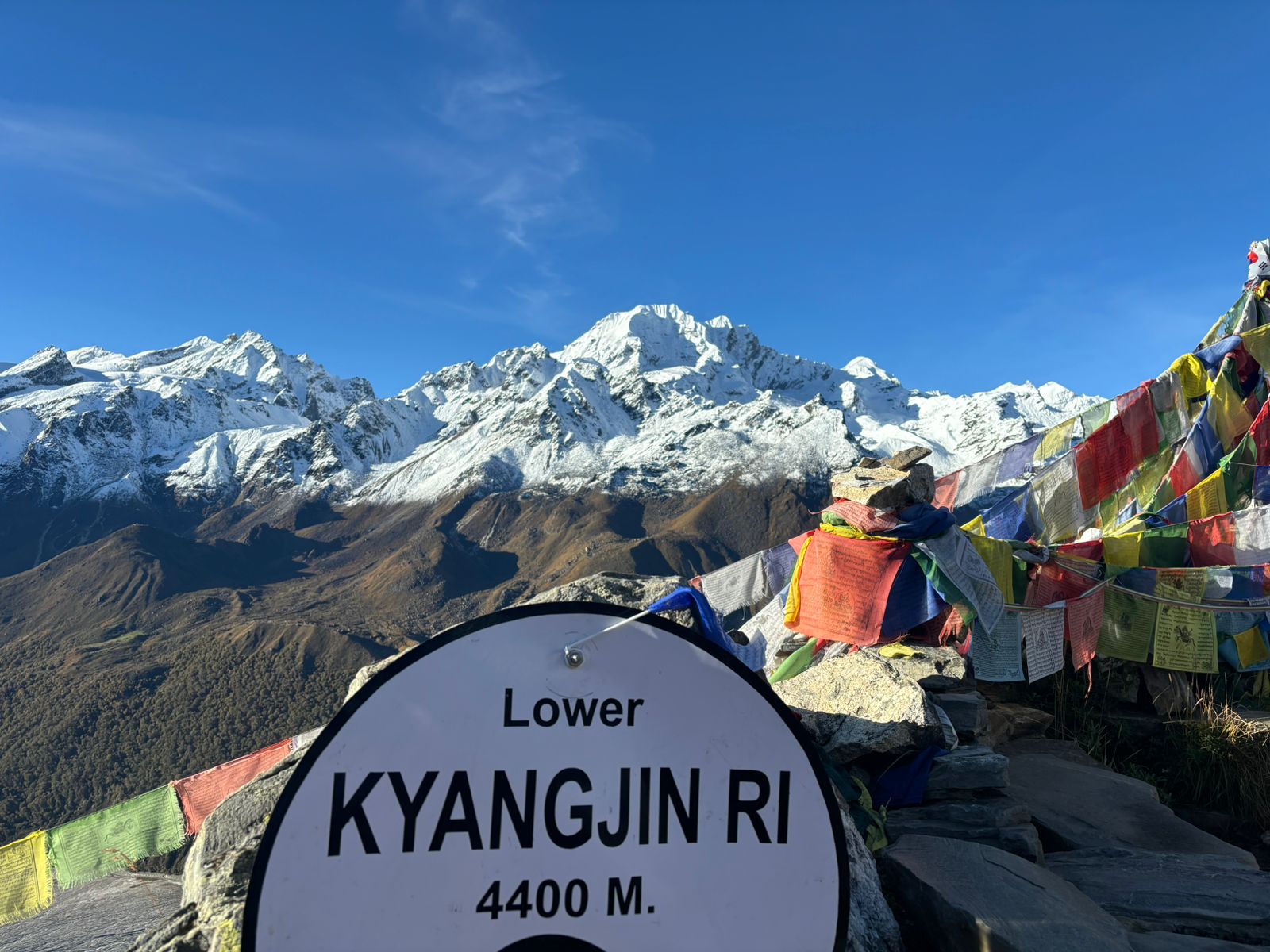
Let’s talk about spring first, from March to May. If you close your eyes and imagine a Himalayan meadow full of flowers, this is your season. The whole valley wakes up. It’s not subtle. The rhododendron trees go wild, painting the hillsides in massive strokes of red and pink. Up near Kyanjin Gompa, the ground is suddenly covered in tiny, bright wildflowers. The air smells like wet earth and pine. But spring is also a trickster. You can have a morning so sunny and perfect you want to stay forever, and then by lunchtime, a cool mist rolls in and you’re reaching for your jacket. The trails might be a little soft underfoot. Spring in the Langtang Valley trek is for the optimist. It’s for the person who doesn’t mind a bit of mud if it means being there for the big, colorful show.
Then comes autumn, late September through November. This is the classic. The monsoon rains have left, and they’ve taken every speck of dust in the sky with them. The blue above you is so deep it almost doesn’t look real. You can see every ridge and cliff on Langtang Lirung like it’s right next to you. But the real magic is down in the forest. All that green from the summer turns. It becomes gold, orange, a deep amber. Walking from Bamboo to Lama Hotel feels like walking through a tunnel of fire. The light is different, softer, like the whole world is being seen through a warm filter. The trails are dry and solid. This is the season everyone pictures. It’s busy, it’s beautiful, and it gives you exactly what you came for.
Now, the other seasons. The ones most people tell you to avoid. They have a point, but they’re also missing the secret.
The monsoon, from June to August, is not for everyone. It rains. A lot. The lower forests are damp, and leeches are a fact of life. The prominent peaks play peek-a-boo behind the clouds for days. But. If you go, you will have the whole place to yourself. The valley becomes the greenest place you’ve ever seen. Waterfalls appear out of nowhere, crashing down cliffs that were just dry rock a month before. The teahouses are quiet. A Langtang trek in the monsoon is a different kind of adventure. It’s not about the view. It’s about the feeling. The sound of rain on a tin roof, the smell of damp wool drying by the fire, the intense quiet of a misty forest. You earn your moments of clarity.

Winter is the quietest voice of all. From December to February, the cold settles in. Snow closes the highest passes and dusts the pine trees. Many of the teahouses in the higher villages shut their doors, and the ones that stay open become cozy worlds centered on a single stove. The days can be unbelievably bright and still, but when the sun drops, the cold is severe. You need to be prepared. But if you are, you see something most trekkers never do. A silent, sleeping valley. The mountains look bigger against the winter sky, and the only sound is the crunch of your boots in the snow. It is stark, it is challenging, and it is unbelievably peaceful.
So how do you choose? You don’t ask what the best season is. You ask yourself what you want.
Do you want color and life and the energy of a new beginning? Go in the spring.
Do you want perfect weather, crystal views, and forests of gold? Autumn is your answer.
Do you want to be alone, to feel the raw power of the mountains in the rain? Consider the monsoon.
Do you want quiet, stark beauty and an actual test of your readiness? Look at winter.
The Langtang sanctuary doesn’t have one best season. It has four true stories. Your job is to pick the one you want to live in.
Don’t forget to check our other travel guides for such useful travel information.