Trekking Poles for Hiking: A Complete Beginner-to-Pro Guide
Hiking is one of the most rewarding outdoor activities, offering fresh air, stunning views, and a great workout. Whether you’re walking on gentle forest trails or tackling steep mountain paths, one piece of gear can make a big difference: trekking poles for hiking.
Once seen mainly as equipment for older hikers or long-distance trekkers, trekking poles are now widely used by hikers of all ages and fitness levels. From improving balance to reducing joint strain, their benefits are hard to ignore.
In this detailed guide, we’ll explore what trekking poles are, how they work, their benefits, types, how to choose the right ones, and tips for using them correctly on the trail.
What Are Trekking Poles for Hiking?
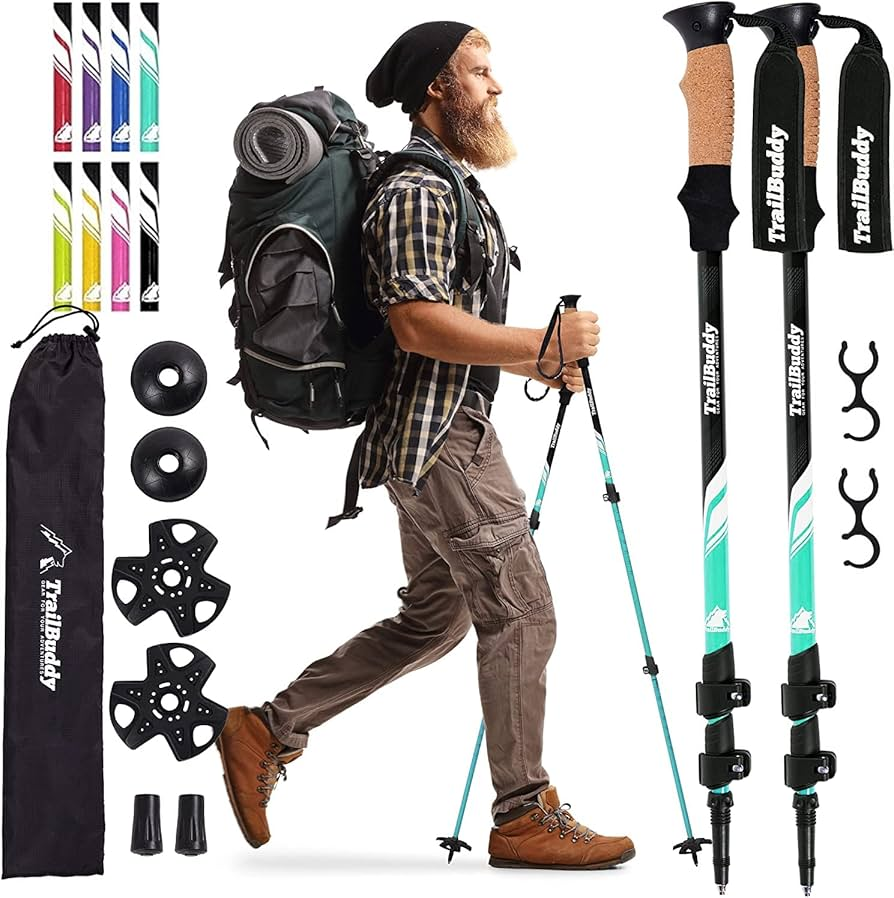
Trekking poles are adjustable sticks designed to support hikers while walking on uneven terrain. They are usually used in pairs and help distribute body weight between the legs and arms.
Unlike simple walking sticks, trekking poles are engineered with features such as:
- Adjustable lengths
- Ergonomic handles
- Wrist straps
- Shock absorption
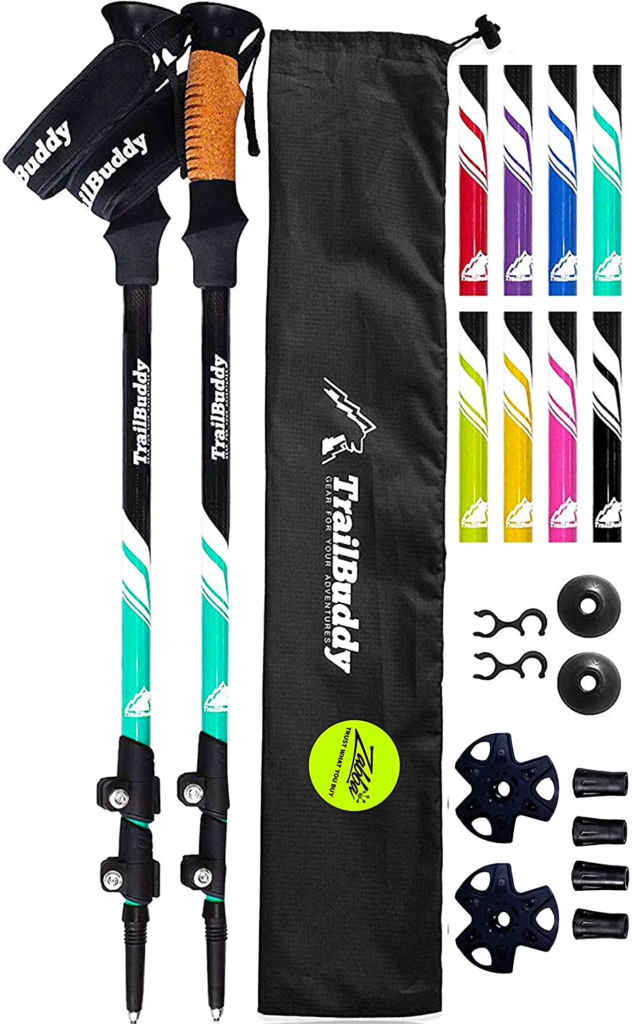
- Interchangeable tips
They are lightweight yet strong, commonly made from aluminum or carbon fiber.
Why Trekking Poles for Hiking Are So Popular
The growing popularity of trekking poles for hiking isn’t just a trend—it’s based on real advantages that hikers experience on the trail.
1. Better Balance and Stability
Trails are rarely flat. Loose gravel, mud, snow, rocks, and stream crossings can make hiking challenging. Trekking poles act like extra points of contact with the ground, improving balance and reducing the risk of slipping or falling.
This is especially helpful on:
- Rocky terrain
- Steep ascents and descents
- Narrow or uneven paths
2. Reduced Stress on Knees and Joints
One of the biggest benefits of trekking poles for hiking is joint protection. Studies and real-world experience show that poles can significantly reduce the impact on knees, ankles, and hips.
They are particularly useful:
- When hiking downhill
- While carrying a heavy backpack
- On long-distance hikes
By shifting some of the load to your arms and shoulders, trekking poles help prevent overuse injuries.
3. Improved Endurance and Energy Efficiency
Using trekking poles engages the upper body, turning hiking into a full-body workout. This can help:
- Distribute effort more evenly
- Reduce leg fatigue
- Maintain a steady rhythm
Many hikers find they can walk longer distances with less exhaustion when using trekking poles properly.
4. Enhanced Confidence on the Trail
Confidence matters when hiking, especially on unfamiliar routes. Trekking poles for hiking provide extra reassurance, making difficult terrain feel more manageable.
This psychological boost can encourage beginners to explore more challenging trails safely.
Types of Trekking Poles for Hiking
Not all trekking poles are the same. Understanding the different types will help you choose the best option for your needs.
1. Adjustable Trekking Poles
These are the most popular choice. They allow you to change the length depending on terrain:
- Shorter for uphill climbs
- Longer for downhill sections
They’re ideal for hikers who tackle varied landscapes.
2. Fixed-Length Trekking Poles
Fixed-length poles are lighter and simpler but lack adjustability. They’re best suited for experienced hikers who know their ideal pole length and stick to similar terrain.
3. Folding Trekking Poles
Folding poles collapse into compact sections, making them easy to store in backpacks or luggage. They’re popular with:
- Trail runners
- Travelers
- Minimalist hikers
Materials Used in Trekking Poles
The material of trekking poles affects weight, durability, and price.
Aluminum Trekking Poles
- Strong and durable
- Affordable
- Slightly heavier
- Bend rather than break under pressure
Carbon Fiber Trekking Poles
- Extremely lightweight
- Excellent vibration reduction
- More expensive
- Can snap under extreme force
Your choice depends on budget, hiking style, and personal preference.
Key Features to Look for in Trekking Poles for Hiking
When shopping for trekking poles, consider these essential features.
1. Grip Material
Handles come in different materials:
- Cork: Comfortable, moisture-absorbing, molds to your hand
- Foam: Soft and lightweight, great for hot weather
- Rubber: Durable, best for cold conditions
2. Wrist Straps
Wrist straps help transfer weight from your hands to your arms. Proper use reduces fatigue and improves control.
3. Shock Absorption
Some trekking poles have built-in shock absorbers to reduce impact. While helpful for some hikers, others prefer non-shock poles for better stability and control.
4. Tips and Baskets
Trekking poles for hiking often come with interchangeable tips:
- Rubber tips for pavement and rock
- Carbide tips for dirt and ice
- Baskets for snow or mud
How to Choose the Right Trekking Poles for Hiking
Selecting the right trekking poles doesn’t have to be complicated.
Consider Your Height
Most trekking poles are sized so your elbow forms a 90-degree angle when holding the grip on flat ground.
Think About Terrain
- Mountain hikes: Adjustable poles
- Flat trails: Fixed-length poles
- Mixed terrain: Adjustable with strong locks
Weight vs Durability
If you hike long distances, lighter poles may reduce fatigue. For rough terrain, durability matters more.
How to Use Trekking Poles Correctly
Even the best trekking poles won’t help if used incorrectly.
Proper Hand Position
Insert your hand through the strap from below, then grip the handle. This allows the strap—not your grip—to support your weight.
Pole Placement
- On flat ground: Move poles opposite to your legs (like natural arm swing)
- Uphill: Shorten poles slightly and place them close to your body
- Downhill: Lengthen poles and plant them ahead for stability
Common Mistakes to Avoid
- Using poles that are too long or too short
- Gripping too tightly
- Not adjusting pole length for terrain
- Relying only on arms instead of full-body movement
Avoiding these mistakes will help you get the most from trekking poles for hiking.
Are Trekking Poles for Hiking Worth It?
For most hikers, the answer is yes. Whether you’re a beginner, an experienced trekker, or someone with joint concerns, trekking poles offer clear advantages.
They help:
- Prevent injuries
- Improve balance
- Increase comfort
- Enhance overall hiking experience
While not mandatory, they can significantly improve safety and enjoyment on the trail.
READ ABOUT:
Nordic Walking Poles: Benefits, Uses, and How to Choose the Right Pair
Final Thoughts on Trekking Poles for Hiking
Trekking poles for hiking are more than just accessories—they are practical tools that enhance stability, protect joints, and boost endurance. With the right poles and proper technique, hikers can tackle trails with greater confidence and comfort.
Whether you’re planning a short weekend hike or a long multi-day trek, investing in quality trekking poles can make a noticeable difference. As hiking continues to grow in popularity, trekking poles remain one of the smartest gear choices for outdoor enthusiasts.
Frequently Asked Questions (FAQ)
1. What are trekking poles for hiking used for?
Trekking poles for hiking are used to improve balance, reduce strain on knees and joints, and provide extra stability on uneven or steep terrain. They also help hikers maintain endurance on long trails.
2. Are trekking poles good for beginners?
Yes, trekking poles are excellent for beginners. They increase confidence, improve stability, and make hiking safer, especially on rocky, muddy, or downhill trails.
3. Do trekking poles really reduce knee pain?
Yes, trekking poles can significantly reduce knee pain by transferring some body weight from the legs to the arms. This is especially helpful when hiking downhill or carrying a heavy backpack.
4. How long should trekking poles be for hiking?
The correct length allows your elbows to form a 90-degree angle when holding the grips on flat ground. Adjustable trekking poles make it easy to change length for uphill and downhill terrain.
5. Are trekking poles allowed on all hiking trails?
Most hiking trails allow trekking poles, but some protected areas may restrict metal tips to protect the environment. Using rubber tips can help comply with trail rules.
6. What is better: aluminum or carbon fiber trekking poles?
Aluminum trekking poles are more durable and affordable, while carbon fiber poles are lighter and reduce vibration. The best choice depends on your hiking style and budget.
7. Can trekking poles be used for backpacking?
Yes, trekking poles are highly recommended for backpacking. They help manage heavy loads, improve balance, and reduce fatigue during long-distance hikes.
8. Should I use one or two trekking poles?
Using two trekking poles provides better balance and support than using just one. Most hikers prefer using a pair for improved stability and efficiency.
9. Do trekking poles slow you down?
No, when used correctly, trekking poles can actually help maintain a steady pace and reduce fatigue, allowing hikers to cover longer distances more comfortably.
10. Are trekking poles worth buying?
For most hikers, trekking poles are worth the investment. They improve safety, comfort, and performance, making hiking more enjoyable and less physically demanding.