What Makes Marine Conservation Feel More Personal in This Part of the Ocean
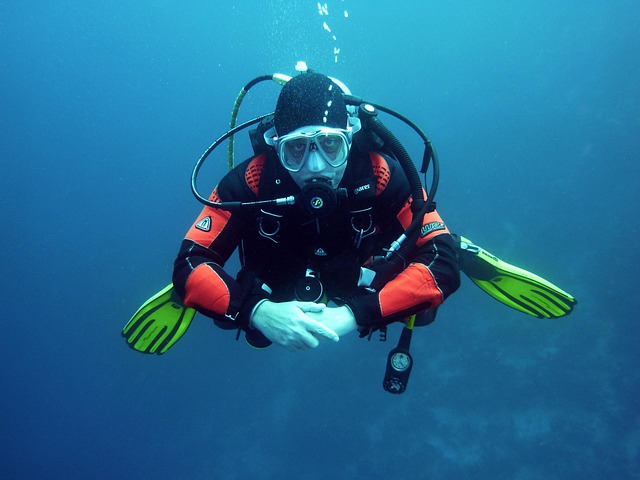
It’s one thing to read about saving the oceans in a news report, but it’s a completely different experience when you’re actually staring at a fragile reef. In this part of the world, the link between the water’s health and the survival of the islands is so obvious that you can’t help but feel like you have a stake in it. A lot of travelers find that scuba diving holidays in Maldives are what really bring this home. Instead of just staying on the surface of a typical luxury trip, you get to see the actual work being done to bring dying reefs back to life and keep the local wildlife safe.
Seeing the Impact Up Close
The Indian Ocean is essentially on the front lines when it comes to the changing climate. Since these atolls are so low-lying, the people who live here have always had a deep connection to the tides and the health of their house reefs. You’ll quickly notice that conservation isn’t just a PR move here; it’s baked into how the islands run every day. Whether it’s the strict bans on single-use plastics or the way they handle water recycling, there is a constant, visible effort to keep the human footprint as small as possible.
Community-Led Restoration Efforts
What’s really cool about this area is how conservation is a team effort. It’s not just restricted to scientists in lab coats; it involves the people who are actually out on the water every single day.
- Coral Propagation Programs: Plenty of resorts and local islands have started “sponsor a frame” setups. Basically, you can help fix small chunks of live coral onto metal frames that get lowered to the seafloor to jumpstart new reef growth. The best part is that some spots actually send you photos of your specific frame as it develops over the next few years.
- Citizen Science Initiatives: If you’re a diver, you’re often encouraged to help out by submitting photos of turtle shells or the unique spots on a whale shark to national databases. These photos are used by researchers to track where the animals go and how healthy the population is, so you’re basically acting as a field assistant while you’re on vacation.
The Role of Megafauna Protection
Big marine animals like whale sharks and manta rays are pretty much the face of these waters. While they’re a huge reason people visit, keeping them safe is the core of the local conservation strategy. Specific Marine Protected Areas (MPAs) have been set up to make sure these giants have a safe space to feed and breed without being disturbed.
Become a Part of the Solution
The ocean is a lot more than just a lovely background for a sunset photo; it’s a living system that really needs some help to stay healthy. By picking travel spots that actually care about the environment and getting involved in local projects, you’re doing your part to keep these underwater places alive. If you’re ready to see the world below the surface in a different way and help out a bit, it’s worth looking into an eco-conscious trip.