Best Time to See Northern Lights in Norway
Seeing the magical Northern Lights is a dream for many travelers, and Norway is one of the best places in the world to experience this natural wonder. The dancing green, purple, and pink lights—also known as the aurora borealis—create a breathtaking display in the Arctic skies. If you’re planning a trip, knowing the best time to see Northern Lights in Norway can make all the difference between a good experience and an unforgettable one.
In this complete travel guide, you’ll learn when to visit, where to go, what conditions improve your chances, and helpful tips to make your Northern Lights adventure successful.
What Are the Northern Lights?
The Northern Lights, scientifically known as the Aurora Borealis, occur when charged particles from the sun collide with gases in Earth’s atmosphere. This interaction creates glowing waves of light in the sky, often seen in polar regions like northern Norway.
The lights can appear in different colors:
- Green (most common)
- Purple and pink
- Red (rare)
The display is unpredictable, which makes planning your trip around the right time even more important.
Best Time to See Northern Lights in Norway
September to March: The Prime Season
The best time to see Northern Lights in Norway is between late September and late March. During these months, Norway experiences long, dark nights—perfect conditions for aurora viewing.
- September–October: Early season with milder weather and fewer tourists
- November–January: Peak darkness, with polar nights in some regions
- February–March: Increasing daylight but often clearer skies
The darkest months—especially December and January—offer the longest viewing windows, but weather conditions can vary.
Best Months Breakdown
September and October
These months mark the beginning of the aurora season. The nights start getting darker, and temperatures are not too extreme.
Pros:
- Less crowded
- Comfortable temperatures
- Good chances of sightings
Cons:
- Shorter nights compared to winter
November to January
This is the heart of the Northern Lights season.
Pros:
- Longest nights (especially during the polar night)
- Higher chances of seeing auroras
Cons:
- Colder temperatures
- Cloud cover can be frequent
In places like Tromsø, the sun doesn’t rise for weeks during winter, giving you more time to hunt for the lights.
February and March
Late winter is often considered one of the best times.
Pros:
- Clearer skies
- More daylight for daytime activities
- High aurora activity
Cons:
- Slightly shorter nights than mid-winter
Best Places in Norway to See Northern Lights
Tromsø – The Arctic Capital
Tromsø is one of the most popular Northern Lights destinations. Located above the Arctic Circle, it offers excellent viewing conditions and plenty of guided tours.
Why visit Tromsø:
- High aurora activity
- Easy accessibility
- Plenty of accommodations and tours
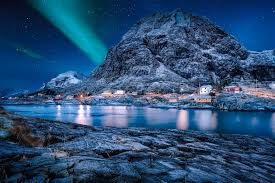
Lofoten Islands
The Lofoten Islands provide a dramatic backdrop of mountains and fjords.
Why visit:
- Stunning landscapes for photography
- Less light pollution
- Unique Arctic scenery
Alta – The City of Northern Lights
Alta is known for its clear skies and stable weather.
Highlights:
- Aurora research history
- Excellent viewing conditions
- Fewer crowds than Tromsø
North Cape (Nordkapp)
North Cape is one of the northernmost points in Europe.
Why it’s special:
- Remote location
- Minimal light pollution
- Raw Arctic experience
Best Time of Night to See Northern Lights
Even during the right season, timing within the night matters.
- Best hours: 9 PM to 2 AM
- Peak activity: Around midnight
The sky must be dark, so avoid full moon nights if possible. However, auroras can still be visible during moonlight if they are strong.
Weather and Conditions: Key Factors
To maximize your chances, you need the right conditions:
Clear Skies
Cloud cover is the biggest obstacle. Even strong auroras won’t be visible if the sky is cloudy.
Solar Activity
Auroras depend on solar storms. You can track forecasts using apps or websites.
Low Light Pollution
Head away from city lights for better visibility.
Tips for Seeing Northern Lights in Norway
Stay for Several Days
Auroras are unpredictable. Plan at least 3–5 nights to increase your chances.
Join Guided Tours
Local guides in places like Tromsø know where to find clear skies and active auroras.
Dress Warmly
Norwegian winters can be extremely cold. Wear:
- Thermal layers
- Insulated jackets
- Gloves and hats
Use Aurora Forecast Apps
Apps help you track:
- Solar activity
- Cloud cover
- Best viewing times
Be Patient
Sometimes the lights appear suddenly and last only a few minutes. Other times, they dance for hours.
Photography Tips for Northern Lights
If you want to capture the aurora:
- Use a tripod
- Set a long exposure (5–20 seconds)
- Use a wide-angle lens
- Keep ISO between 800–3200
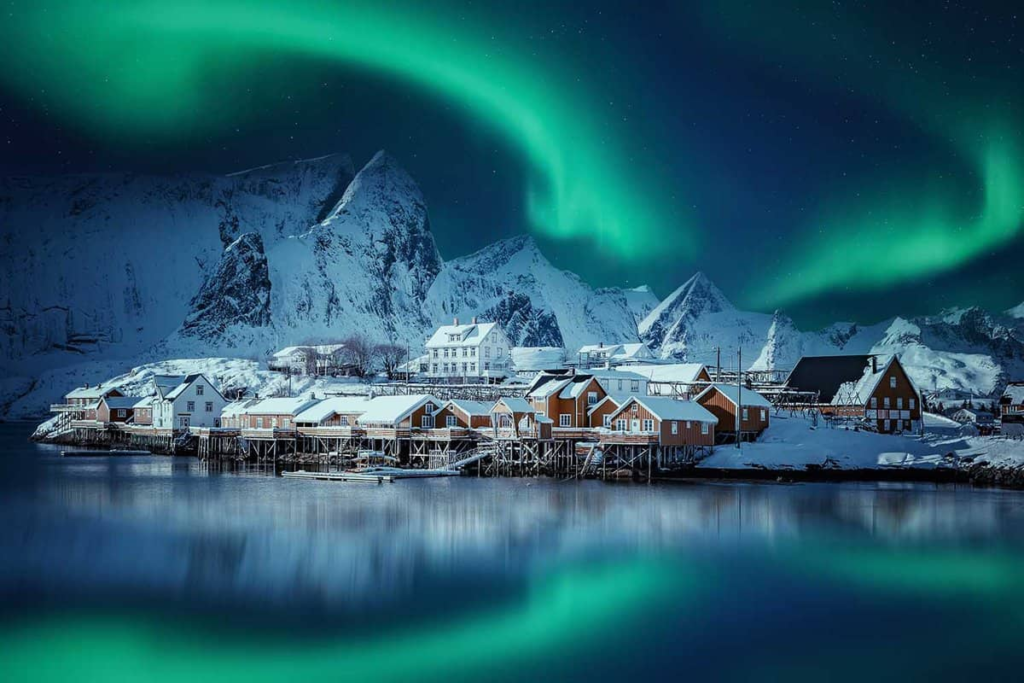
Locations like the Lofoten Islands are perfect for stunning aurora photography.
Why Norway Is One of the Best Places in the World
Norway stands out because of:
- Its location under the auroral oval
- Easy access to Arctic regions
- Well-developed tourism infrastructure
Cities like Tromsø combine adventure with comfort, making it ideal for both beginners and experienced travelers.
Other Things to Do in Norway in Winter
While waiting for the Northern Lights, enjoy:
- Dog sledding
- Snowmobiling
- Whale watching
- Sami cultural experiences
You can explore Arctic culture and landscapes beyond just aurora hunting.
How Long Should You Stay?
For the best experience:
- Minimum: 3 nights
- Ideal: 5–7 nights
This gives you flexibility to deal with weather and increases your chances of witnessing the lights.
Budget Tips for Travelers
Norway can be expensive, but you can save money by:
- Booking flights early
- Traveling in shoulder months (September or March)
- Staying in budget accommodations
- Cooking your own meals
READ ABOUT:
Jaroconca Mountain – A Hidden Gem for Adventure Travelers
Final Thoughts
The best time to see Northern Lights in Norway is from September to March, with peak viewing in the darkest winter months. However, success depends on a mix of timing, weather, and a bit of luck.
Whether you choose the vibrant city of Tromsø, the scenic Lofoten Islands, or the remote beauty of North Cape, Norway offers one of the most unforgettable Northern Lights experiences on Earth.
Plan wisely, stay patient, and you might witness one of nature’s most incredible shows lighting up the Arctic sky.
FAQs
What is the best month to see Northern Lights in Norway?
February and March are often considered the best months due to clearer skies and strong aurora activity.
Can you see Northern Lights every night?
No, sightings depend on solar activity and weather conditions.
Is Norway the best country to see Northern Lights?
Yes, Norway is one of the top destinations due to its location and accessibility.
Do you need a guide to see Northern Lights?
Not necessarily, but guided tours improve your chances significantly.
Are Northern Lights visible with the naked eye?
Yes, they are often visible without any equipment, though intensity varies.