Is Bali in Indonesia? All You Need to Know
Many travelers around the world wonder about Bali’s relationship with Indonesia. The question “Is Bali in Indonesia?” appears frequently in search queries. Bali, Indonesia stands as one of the nation’s 34 provinces, nestled within the vast Indonesian archipelago between Java and Lombok islands. In this article, we will hep you understand Bali’s location and appreciate its distinct identity while recognizing its integral connection to the Indonesian nation.
Is Bali Part of Indonesia?
Yes, Bali is part of Indonesia. It is one of the country’s provinces, fully integrated into the nation’s administrative, cultural, and political framework. Located between Java and Lombok, Bali is both geographically and culturally distinct, yet remains an essential part of Indonesia’s diverse archipelago. The provincial capital is Denpasar, and the island has been recognized as a full province since 1958, operating under Indonesia’s national governance system.
Beyond its administrative role, Bali’s identity within Indonesia is shaped by its unique cultural and religious traditions. While most of Indonesia follows Islam, Bali stands out with its Hindu majority, creating a distinctive cultural landscape that coexists within the broader Indonesian nation. This duality, being authentically Balinese yet fully Indonesian, adds to the island’s appeal and explains why travelers often ask about its national status.
Bali’s Geographical Position Within Indonesia
The island sits approximately eight degrees south of the equator, positioned between Java to the west and Lombok to the east. The province covers approximately 5,780 square kilometers of land area. Bali also has geographical diversity, ranging from volcanic peaks like Mount Agung’s 3,031 meters above sea level summit to coastal lowlands. The island stretches roughly 153 kilometers from east to west and 112 kilometers north to south.
Beyond its size and location, Bali’s position within the Indonesian archipelago has shaped its accessibility and importance. The island is well connected through Ngurah Rai International Airport in Denpasar, serving as a gateway for millions of international visitors each year. Its central placement between major islands makes Bali both a cultural crossroads and a strategic hub for tourism, trade, and regional travel across Indonesia.
The Distinct Cultural Identity
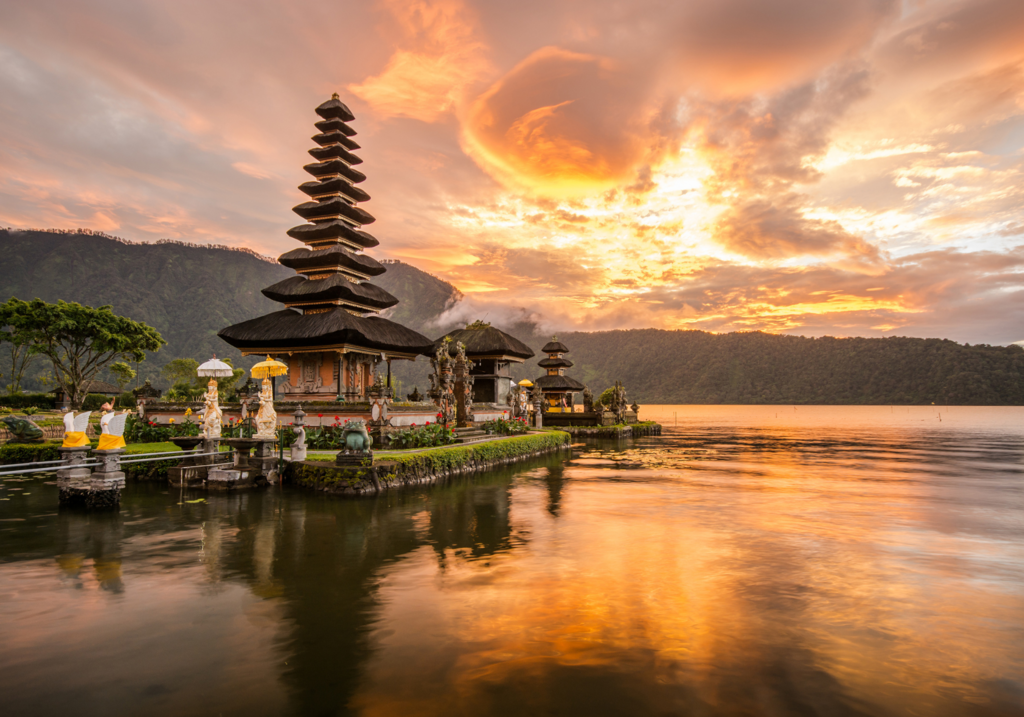
Bali earned the nickname Pulau Dewata, meaning “Island of the Gods.” This title reflects the island’s unique Hindu-majority population. Approximately 87 percent of Bali’s residents practice Balinese Hinduism, creating distinctive cultural landscapes.
Thousands of temples Ranging from small family shrines to grand complexes. Pura Besakih, the mother temple, sits on Mount Agung’s slopes. Bali’s culture encompasses artistic traditions spanning centuries of development. Stone carving, wood sculpture, and painting flourish in villages across the island. Dance and music traditions remain vital components of religious ceremonies and cultural expression.
Landscapes and Ecosystems
Bali’s compact geography creates striking contrasts, from volcanic highlands to coastal plains and beaches. Peaks like Gunung Batur attract trekkers with sunrise views, crater lakes, and hot springs, while the southern coastline offers lively white-sand beaches and the north provides quieter volcanic shores.
Marine environments add another layer of richness, with coral reefs thriving around Nusa Penida and Nusa Lembongan. Clear waters, abundant marine life, and strong conservation efforts make these areas prime spots for underwater exploration. Visitors eager to experience this side of Bali can discover scuba diving Bali adventures, enjoying exceptional visibility and encounters with turtles, rays, and vibrant reef systems.
Climate Patterns
Bali experiences a tropical monsoon climate with two distinct seasons. The dry season typically lasts from April to October, while the wet season arrives between November and March, bringing heavier rainfall. Temperatures remain relatively constant year-round near coastal areas, with daytime highs ranging from 28 to 32 degrees Celsius. Evenings cool slightly, creating comfortable conditions after the sun sets.
Seasonal changes also influence tourism and local life. The dry months are considered peak travel season, drawing visitors for outdoor activities, festivals, and beach holidays. In contrast, the wet season brings lush greenery and fewer crowds, offering a quieter atmosphere and lower travel costs. These climate rhythms shape not only visitor experiences but also agricultural cycles, cultural events, and the island’s overall character throughout the year.
The Different Regions In Bali
Bali’s geography offers striking variety across its compact territory. The south concentrates tourism with beaches, surf spots, and lively hubs like Seminyak and Canggu. Central Bali highlights the cultural heartland, with Ubud surrounded by rice terraces, craft villages, and artistic traditions.
Beyond the main island, offshore destinations like Nusa Lembongan and Nusa Penida attract visitors with pristine beaches, dramatic scenery, and rich marine life. These areas are especially popular for those eager to discover scuba diving Bali experiences, with clear waters and vibrant reefs offering unforgettable encounters.
Conclusions
Bali clearly exists as an integral province within Indonesia rather than an independent nation. The island maintains unique cultural characteristics while participating fully in Indonesian national life. This dual identity creates Bali’s distinctive appeal as both authentically Balinese and culturally distinct.
Understanding this relationship enhances appreciation for Bali’s complex identity. The island’s Hindu majority within Muslim-majority Indonesia demonstrates the nation’s religious diversity. For travelers planning a trip to Indonesia, Bali offers a vivid example of cultural preservation coexisting with national integration across governmental, economic, and social spheres.