Boylecheloid Flower Explained: A Beautiful and Rare Bloom to Know About
The Boylecheloid flower is a captivating and increasingly popular plant known for its striking appearance, symbolic meaning, and unique botanical qualities. Although not widely documented in traditional horticultural literature, this rare flower has gained attention in recent years among gardeners, herbal enthusiasts, and people who love ornamental plants. Its exotic look and intriguing characteristics make it a fascinating subject for both beginners and plant experts.
In this comprehensive guide, we will explore what the Boylecheloid flower is, its origin, symbolism, benefits, gardening tips, and how it is used today. Whether you are researching for educational purposes or planning to grow unique flowers in your garden, this article will give you everything you need to know.
What Is the Boylecheloid Flower?
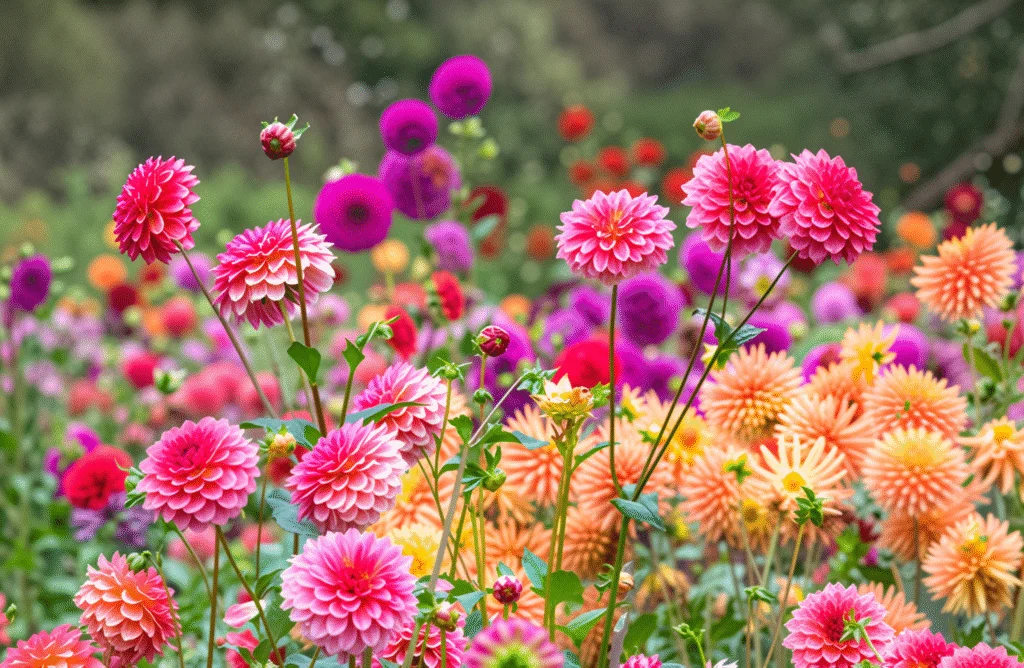
The Boylecheloid flower is known for its vibrant colors, layered petals, and uncommon aesthetic that sets it apart from traditional garden flowers. While its exact origin is still debated, gardening communities believe that it may be associated with hybrid species developed for ornamental use. The flower is often recognized by:
- Bright and deep color variations
- Dense clusters of petals
- A distinctive floral fragrance
- A long blooming season
- High ornamental value
Some researchers suggest that the name “Boylecheloid” may derive from botanical terminology, combining a family name with a descriptive suffix. Despite its uncommon nature, the flower has become a symbol of beauty, resilience, and transformation in modern gardening culture.
Origin and History of the Boylecheloid Flower
The history of the Boylecheloid flower is still emerging, but plant historians believe it may have originated from selective breeding programs aimed at producing flowers with enhanced shape and color. Hybridization is common in horticulture, and many modern flowers—including roses, lilies, and orchids—have gone through similar evolutionary paths.
The Boylecheloid gained attention due to:
- Its unusual petal formation
- Ability to thrive in different climates
- Decorative appeal in home gardens and floral arrangements
Though not traditionally listed in old botanical dictionaries, it is now discussed in gardening forums, blogs, and plant exhibitions where rare flowers are showcased.
Physical Characteristics of the Boylecheloid Flower
The Boylecheloid flower is admired for a range of eye-catching botanical traits, including:
1. Petal Structure
The flower typically features many layers of soft petals arranged in a rosette-like pattern. This dense structure gives it a plush and luxurious appearance.
2. Color Variations
Depending on the hybrid type, the flower can display a wide spectrum of colors such as:
- Deep red
- Soft pink
- Royal purple
- Bright yellow
- White or cream
- Mixed or gradient tones
Some flowers also exhibit a unique shimmer under sunlight.
3. Fragrance
The Boylecheloid flower produces a pleasant, soothing fragrance that resembles a combination of rose and jasmine, making it popular in aromatherapy and floral décor.
4. Size and Growth Habit
The plant generally grows medium-sized blooms, but certain cultivars may produce larger flowers. It can flourish in pots, garden beds, and decorative landscapes.
Symbolism and Meaning of the Boylecheloid Flower
Like many meaningful flowers, the Boylecheloid has gained symbolic interpretations over time. People associate the flower with:
🌸 Beauty and Elegance
Its multi-layered petals represent depth and refined beauty.
🌱 Growth and Transformation
Because the flower thrives in diverse conditions, it symbolizes personal growth and adaptability.
💖 Love and Compassion
The vibrant colors are often linked with affection and emotional warmth.
✨ Mystery and Rarity
Its uncommon name and origin add a sense of mystery, making it a popular choice for unique gifts and ornamental displays.
This symbolism makes Boylecheloid flowers a favorite for weddings, celebrations, and mindful decoration.
Uses of the Boylecheloid Flower
The Boylecheloid flower is not only admired for its beauty but also valued for a range of practical and aesthetic uses.
1. Ornamental Gardening
Its vivid appearance makes it ideal for home gardens, parks, and botanical displays.
2. Floral Arrangements & Bouquets
Because of its layered petals and bold colors, the flower enhances:
- Wedding bouquets
- Table centerpieces
- Festive decorations
- Gift bouquets
3. Aromatherapy
The flower’s gentle fragrance is often used in:
- Essential oils
- Scented candles
- Potpourri
- Relaxation rituals
4. Home Décor
Dried Boylecheloid flowers maintain color well, making them appealing for long-lasting indoor décor.
Benefits of the Boylecheloid Flower
Growing or using Boylecheloid flowers can offer several benefits, including:
✔ Enhances Garden Aesthetics
Its vibrant blooms add color and dimension, creating a visually appealing garden space.
✔ Low Maintenance
Many hybrids are designed to resist pests and adapt well to common climates.
✔ Mood Boosting
Studies show that colorful flowers naturally improve mood and reduce stress.
✔ Attracts Pollinators
Their scent and vibrant colors attract bees, butterflies, and beneficial insects, supporting a healthier ecosystem.
✔ Versatile Growing Options
They grow well in containers, making them excellent for balconies and small outdoor spaces.
How to Grow the Boylecheloid Flower
Whether you are a beginner or an experienced gardener, the Boylecheloid is relatively easy to cultivate. Below are the essential guidelines:
1. Soil Requirements
The plant thrives in:
- Well-draining soil
- Organic-rich compost
- Slightly acidic to neutral pH levels
2. Sunlight Needs
Boylecheloid flowers need 4–6 hours of sunlight daily. Morning sunlight is ideal for optimal blooming.
3. Watering
Avoid overwatering. Keep the soil moist but never soggy. Watering 2–3 times a week is usually sufficient depending on climate.
4. Fertilizer
Use a balanced fertilizer every 4–6 weeks during the growing season to encourage full, vibrant blooms.
5. Pruning
Remove dead petals and leaves to promote new growth and maintain appearance.
6. Pest Management
Although hardy, occasional pests like aphids may appear. Use natural insecticidal soap or neem oil for organic treatment.
Common Challenges When Growing Boylecheloid Flowers
While generally easy to grow, you may encounter:
❌ Slow Growth
This can happen if the plant lacks sunlight or nutrients.
❌ Wilting Leaves
Often caused by overwatering or fungal growth.
❌ Poor Blooming
Occurs when the plant is not pruned or fertilized regularly.
By following proper care techniques, these issues can be resolved quickly.
Is the Boylecheloid Flower Rare?
Yes, the Boylecheloid flower is considered rare and unusual, mainly because:
- It is not widely cultivated commercially
- It is more common in private gardens and botanical collections
- Seeds and hybrids are limited in availability
Its rarity contributes to its charm and value, especially for collectors.
Why the Boylecheloid Flower Is Gaining Popularity
In recent years, this flower has become a trending choice due to:
- Social media posts showcasing rare plants
- Increased interest in unique garden species
- Rise in hybrid breeding
- Growing demand for ornamental indoor/outdoor plants
Its beauty, symbolism, and adaptability make it one of the most captivating flowers for modern gardeners.
READ ABOUT IT
Best Family Travel Destinations in the USA for Unforgettable Vacations
Conclusion
The Boylecheloid flower is a stunning, unique, and meaningful plant that is perfect for anyone who loves beautiful and rare flowers. From its gorgeous layered petals to its symbolic richness, this flower offers both visual delight and emotional significance. Whether used in gardens, floral arrangements, or home décor, it adds charm, color, and elegance to any setting.
With proper care, the Boylecheloid flower can thrive in almost any environment, making it a great choice for beginners and experienced gardeners alike. As its popularity continues to grow, it will undoubtedly remain one of the most intriguing ornamental flowers of the modern era.