Land for Sale Near Me: Everything You Need to Know Before Buying
Searching for “land for sale near me” has become one of the most popular real-estate queries online. Whether you want to build a home, start a farm, invest in real estate, or secure a peaceful retreat away from city noise, the right piece of land can offer long-term value and endless potential. However, buying land is very different from purchasing a house—it requires proper research, planning, and understanding of local regulations.
This detailed guide breaks down everything you need to know when looking for land for sale near you. From key factors to consider to where to find the best listings, this article will help you make a smart, well-informed buying decision.
Understanding Your Purpose Before Searching for Land for Sale Near Me
Before you browse listings, it is essential to define your purpose. Buyers usually fall into one of the following categories:
1. Buying Land for Residential Use
If you plan to build a house, you must ensure the land:
- Is located in a residential zone
- Has access to utilities (water, electricity, gas, sewage)
- Is close to schools, markets, and transportation
- Is approved for construction by local authorities
2. Buying Land for Agriculture or Farming
Agricultural buyers often look for:
- Large open plots
- Fertile soil
- Water source (canal, tube well, lake, or rainwater availability)
- Rural or suburban locations
- Low taxation and easy land use policies
3. Buying Land for Commercial or Investment Purposes
If you want to invest or set up a business, check:
- Proximity to business hubs
- High-traffic roads
- Growth trends in the area
- Zoning for commercial projects
- Potential for future appreciation
4. Buying Recreational or Vacation Land
Some buyers simply want:
- Peaceful countryside land
- Riverfront or lakefront property
- Mountain-view land
- Private getaway spaces
Knowing your purpose makes the search more effective and helps you choose land that matches your long-term goals.
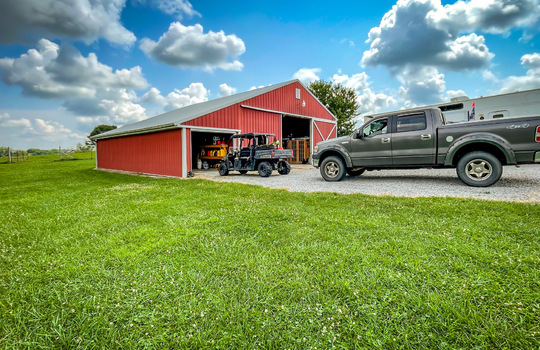
Where to Find the Best Land for Sale Near Me
Thanks to modern tools and online platforms, finding land has become easier than ever. Here are the top places to check:
1. Online Real Estate Websites
Numerous property websites allow you to search land listings by:
- Area
- Budget
- Type (residential, agricultural, commercial)
- Facilities
These platforms provide images, plot sizes, maps, and pricing details, helping you compare different options instantly.
2. Local Real Estate Agents
A professional real estate agent can provide:
- Exclusive listings not available online
- Negotiation support
- Knowledge of local market rates
- Information about zoning laws
Agents also help you avoid scams by verifying ownership and documentation.
3. Newspaper Ads and Local Magazines
Traditional advertisements still play a major role in land buying, especially in rural and suburban areas.
4. Social Media Groups and Community Forums
Local Facebook groups, WhatsApp communities, and real estate forums often share listings from individual sellers at negotiable prices.
5. Driving Through Your Preferred Area
Sometimes the best deals come from:
- “For Sale” signboards
- Direct owner-to-buyer conversations
- Newly developing neighborhoods
Exploring the area personally helps you understand the environment, surroundings, and growth potential.
Important Factors to Consider Before Buying Land Near You
Buying land is a major investment, so you must carefully inspect the property before finalizing anything. Here are the most important factors:
1. Location and Accessibility
Land value mostly depends on location. Look for:
- Easy road access
- Nearby markets, schools, hospitals
- Low crime rate
- Development plans in the area
Properties close to major highways or public transport usually appreciate faster.
2. Legal Verification and Documentation
This step is crucial. Ensure:
- The seller has a clean title
- There are no disputes
- The land is not government-owned
- Documents match the land records
- All taxes are paid
Hiring a property lawyer for verification is highly recommended.
3. Zoning Laws
Every area has specific zoning categories such as:
- Residential
- Commercial
- Agricultural
- Industrial
Make sure the land’s zoning aligns with your intended use.
4. Availability of Utilities
Check the availability of:
- Water supply
- Electricity
- Sewage system
- Internet service
- Gas connections
If utilities are far away, development costs may increase.
5. Soil Quality and Topography
The land’s physical condition affects construction and farming. Inspect:
- Soil strength
- Level or sloped surface
- Flood history
- Drainage patterns
Professional soil testing is advisable if you plan to build a house.
6. Surrounding Development and Future Growth
Buy land in areas with:
- New housing schemes
- Road expansions
- Schools and hospitals under development
- Commercial centers planned by the city
These factors lead to high future appreciation.
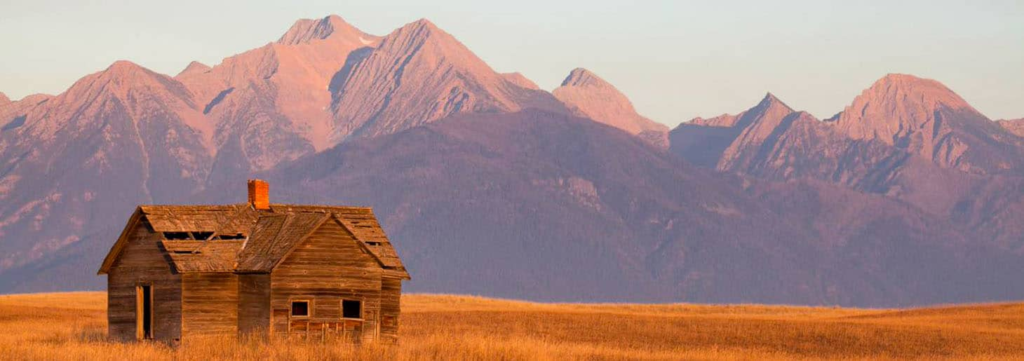
Tips to Get the Best Deal When Searching for Land for Sale Near Me
Here are some expert tips to help you secure the right property at the right price:
1. Compare Multiple Listings
Never settle for the first plot you find. Compare:
- Prices
- Features
- Development stage
- Local facilities
This helps you understand the real market value.
2. Negotiate Smartly
Most sellers price land higher than expected. You can:
- Present comparable prices
- Ask for a discount on cash purchases
- Request extra time for payments
Negotiation is always part of real estate deals.
3. Visit the Land Personally
Photos cannot show:
- Neighborhood condition
- Road access quality
- Noise levels
- Surrounding construction
A physical visit gives you a realistic idea of the land.
4. Check the Land at Different Times of the Day
This helps you observe:
- Traffic
- Light conditions
- Safety
- Activity level around the area
5. Understand Additional Costs
Buying land includes more than the purchase price. You may need to pay:
- Registration fees
- Taxes
- Development costs
- Architect and engineering fees
- Fencing and leveling expenses
Knowing these costs helps in budgeting.
Benefits of Searching for Land for Sale Near Me
Here are the main advantages of buying land near your location:
1. Easy to Inspect
You can visit anytime and check:
- Boundaries
- Soil
- Environment
2. Familiarity With the Area
Since it’s near you, you already understand:
- Culture
- Lifestyle
- Crime rate
- Development
3. Convenience for Future Construction
Monitoring construction becomes easy when the land is close to your home.
4. Better Investment Control
Local land investments feel safer, as you can visit and monitor progress whenever necessary.
Common Mistakes to Avoid When Buying Land Near Me
Avoiding these mistakes can save you money and stress:
1. Not Checking Legal Documents Properly
Incomplete or disputed documents can lead to major losses.
2. Ignoring Zoning Regulations
You cannot build a house on agricultural land without proper approvals.
3. Overlooking Long-Term Development Plans
Areas with no future growth may not increase in value.
4. Focusing Only on Price
Cheaper land may lack utilities or have poor access roads.
5. Not Conducting Soil Testing
Poor soil may require expensive foundation work.
READ ABOUT IT
The Ultimate List of the Best Places to Visit in Europe
Conclusion
Searching for “land for sale near me” is an exciting journey and a long-term investment opportunity. Whether you’re planning to build a home, start a farm, or secure land for future development, understanding the key factors listed above will help you make a smart decision. Always research the location, verify documents, compare listings, and inspect the land personally before finalizing the deal.
The right piece of land can offer financial security, freedom to build your dream property, and exceptional long-term value. With proper planning and professional guidance, you can confidently find the perfect land near you.
FAQs
1. How do I find the best land for sale near me?
You can find land through online real estate websites, local agents, social media groups, newspaper ads, and by exploring nearby areas. Combining multiple sources helps you discover better deals.
2. What should I check before buying land near my area?
Always check the land’s location, zoning type, legal documents, access roads, utilities, soil quality, and future development plans. These factors influence the land’s usability and value.
3. Is it better to buy land directly from owners or through agents?
Both options have benefits. Direct owners may offer lower prices, while agents provide guidance, verified listings, and negotiation support. Choose what feels safer and more convenient for you.
4. How can I verify if the land has clear legal ownership?
Ask the seller for title documents, tax receipts, and land records. Hire a property lawyer to verify ownership, ensure there are no disputes, and confirm that the land is not government-owned.
5. What is the meaning of zoning when buying land?
Zoning defines how land can be used—residential, agricultural, commercial, or industrial. Make sure the zoning matches your purpose, or you may face restrictions when building.
6. How do I know if the land has access to utilities?
Check if the area has water, electricity, sewage systems, gas lines, and internet services. If utilities are not available, factor in the additional cost of installing them.
7. Is buying land near me a good investment?
Yes, buying local land can be a strong investment because you understand the area well and can monitor development easily. If the location has growth potential, the land value will appreciate over time.
8. Do I need soil testing before purchasing land?
It is recommended, especially for construction. Soil testing reveals soil strength, drainage, and suitability for building a stable foundation.
9. What hidden costs should I be aware of when buying land?
Aside from the purchase price, expect additional costs such as registration fees, taxes, fencing, land leveling, utilities installation, and professional fees for architects or surveyors.
10. Can I negotiate the price of land near me?
Yes, land prices are often negotiable. Compare prices in the area, highlight similar listings, and negotiate based on market value and the condition of the land.