Influencers Fonw Wild: The Viral Trend Taking Over Social Media
Introduction: What Does “Influencers Fonw Wild” Mean?
The phrase “influencers fonw wild” has started appearing frequently across social media platforms, blogs, and online discussions. While not a traditional term, it has become a popular expression used to describe influencers who engage in dramatic, unexpected, or over-the-top behavior to gain attention, followers, or engagement.
Whether it’s extreme challenges, bold public stunts, controversial opinions, or highly dramatized lifestyle content, these moments are designed to break the internet—but they also raise questions about digital responsibility, ethics, and the nature of online fame.
This article dives deep into how and why influencers go “wild,” the consequences of such behavior, and what it means for digital culture.
Why Influencers Are “Going Wild” More Than Ever
Social media has evolved into a highly competitive space, where visibility equals value. As platforms grow, so does the pressure to stand out, leading influencers to take bigger risks and push boundaries.
1. The Pressure to Stay Relevant
Influencers rely on:
- Engagement metrics
- Virality
- Trending topics
- Algorithm boosts
To maintain or grow their audience, many resort to extreme content to avoid being overshadowed by competitors.
2. The Appeal of Shock Value
Shock content spreads fast. Platforms like TikTok, Instagram, and YouTube reward content that sparks:
- Curiosity
- Debate
- Controversy
Influencers who create chaotic or outrageous moments often get millions of views—even if the reaction is mixed.
3. Audience Demand for Entertainment
As viewers become desensitized to ordinary content, they seek:
- Bigger reactions
- More dramatic stories
- Unexpected twists
Influencers respond by pushing creative limits, sometimes crossing lines.
4. Brand Deals and Monetization
More views = more money.
Wild content is sometimes a strategic attempt to boost:
- Sponsorship value
- Streaming revenue
- Merch sales
Some influencers even build entire careers around unpredictable behavior.
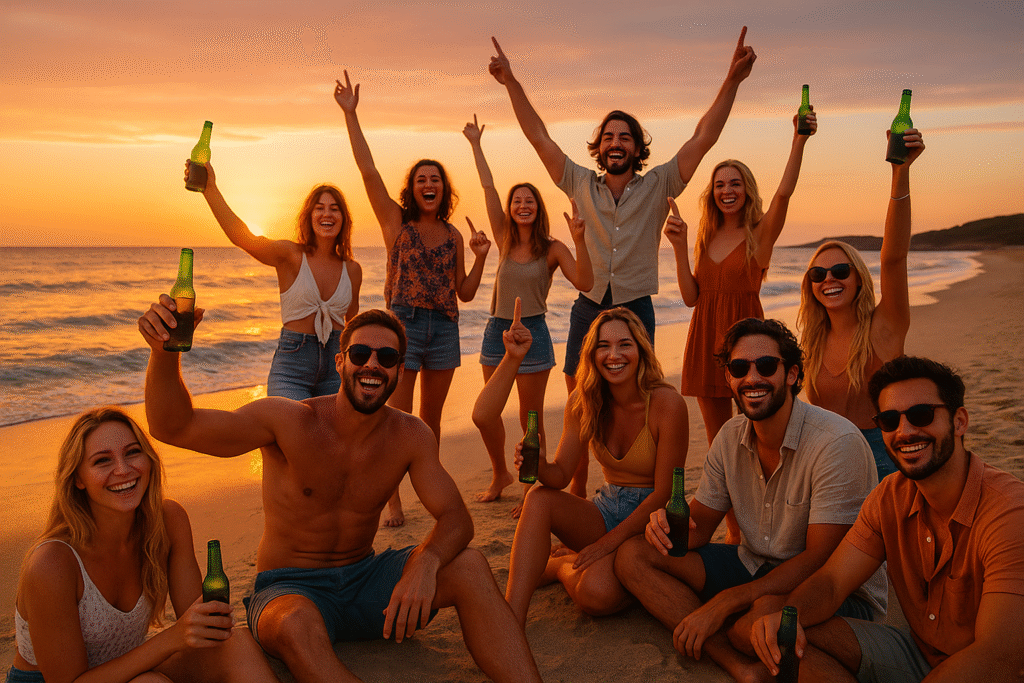
Examples of Influencers “Fonw Wild” Behavior
While every influencer has their style, common patterns emerge when creators “go wild” for attention.
1. Public Stunts
These include:
- Dangerous pranks
- Flash mobs
- Extreme travel or survival challenges
- Disruptive activities in stores, parks, or city streets
These stunts often go viral but can lead to legal trouble or community backlash.
2. Outrage Marketing
Some influencers intentionally post:
- Controversial statements
- Offensive jokes
- Polarizing opinions
This creates heated debate, boosting views—even if the sentiment is negative.
3. Exaggerated Lifestyle Content
Influencers sometimes showcase:
- Fake luxury
- Over-dramatized daily routines
- Staged conflicts
This creates a fantasy version of their life to generate clicks.
4. Emotional Manipulation
Drama sells.
From fake breakups to exaggerated crying videos, some creators use emotional content to pull in sympathy and engagement.
5. Extreme Transformations
These include:
- Body modification challenges
- Rapid lifestyle overhauls
- Unusual diets
- Experimental fashion or makeup looks
Such transformations can go viral but create unrealistic expectations for viewers.
The Impact of Influencers “Fonw Wild” on Viewers
Whether positive or negative, wild influencer behavior has a massive impact on audiences—especially younger followers.
1. Setting Unhealthy Trends
Impressionable viewers may try to imitate risky stunts, leading to:
- Injuries
- Legal issues
- Mental stress
Trends gone wrong have become a public safety concern worldwide.
2. Influencing Values and Attitudes
Many viewers start believing that:
- Excessive drama is normal
- Luxury equals success
- Extreme behavior is required for popularity
This distorts real-life expectations.
3. Encouraging Toxic Culture
When influencers reward their own wild behavior with fame, it encourages a cycle of:
- Exaggeration
- Conflict
- Competition
This spreads toxicity across social platforms.
4. Providing Entertainment and Escape
On a positive note, many viewers enjoy wild content because it is:
- Funny
- Relatable
- Escapist
- Unpredictable
Not all wild behavior is harmful—some is purely comedic or creative.
Why Influencers Need to Rethink Wild Content
As audiences become smarter and digital ethics grow stronger, influencers must balance entertainment with responsibility.
1. Reputation Risks
Influencers who cross boundaries may face:
- Cancel culture
- Public backlash
- Brand rejections
- Account bans
One viral mistake can destroy years of work.
2. Mental Health Struggles
Constantly producing extreme content leads to:
- Burnout
- Anxiety
- Identity loss
- Pressure to “top” previous videos
Many influencers openly discuss these challenges.
3. Legal and Safety Issues
Public stunts can result in:
- Fines
- Arrests
- Lawsuits
- Bans from public places
The legal risks are often underestimated.
4. Impact on Younger Audiences
Influencers hold power, and reckless behavior can harm viewers who look up to them.
How Influencers Can Create Viral Content Without Going “Wild”
Influencers don’t need chaotic behavior to succeed. Many thrive by focusing on authenticity, creativity, and value-driven content.
1. Storytelling-Based Videos
Sharing real experiences creates natural engagement.
2. Educational or Skill-Based Content
Audiences love learning:
- Cooking
- Fitness
- Finance
- Tutorials
- Tips and hacks
Value > shock.
3. Relatable Everyday Content
Authenticity is trending. Being real often earns more trust than drama.
4. Collaborative Content
Working with other creators boosts reach without extreme behavior.
5. Clean Humor and Entertainment
Comedy that doesn’t rely on controversy performs extremely well.
What Brands Should Know About Influencers Fonw Wild
Brands love influencer marketing, but partnering with “wild” creators comes with risks.
1. Reputation Management
Brands must evaluate:
- Past controversies
- Behavior patterns
- Content themes
- Audience reactions
One wrong collaboration can harm a brand’s image.
2. Authentic Partnerships Are Safer
Creators who offer consistent, ethical content provide more stable long-term value.
3. High Engagement Isn’t Always High Quality
Wild content brings views, not always trust or purchasing power.
The Future of Influencer Culture
Influencers going wild will continue, but the future points toward balanced and ethical content creation.
Trends show that:
- Audiences prefer authentic influencers
- Platforms are tightening guidelines
- Brands want safer partnerships
- Creators are becoming more mindful
While wild moments will always exist, sustainable influence comes from value, not chaos.
READ ABOUT IT
The Ultimate Guide to Payday Loans EloanWarehouse for Emergency Money
Conclusion
The phrase “influencers fonw wild” captures a modern trend where content creators push boundaries to remain relevant. Although this behavior often leads to viral success, it raises concerns about safety, ethics, mental health, and digital responsibility.
Audiences, brands, and creators must understand both the risks and rewards of this trend. True influence should come from authenticity, creativity, and positive impact—not shock value alone.
FAQs About Influencers Fonw Wild
1. What does “influencers fonw wild” mean?
“Influencers fonw wild” refers to influencers who engage in extreme, unpredictable, or controversial behavior online to attract attention and boost engagement. The term is often used to describe viral stunts, dramatic content, or chaotic actions that gain massive visibility.
2. Why are influencers going “wild” on social media?
Influencers often feel pressured to stay relevant in a crowded digital space. Wild or shocking content can quickly go viral, bringing more views, followers, and brand opportunities, which encourages them to push boundaries.
3. Is wild influencer behavior dangerous for viewers?
It can be. Many young or impressionable viewers may imitate risky stunts or believe exaggerated content is real. This can lead to safety issues, unrealistic expectations, or emotional impact. Not all wild behavior is harmful, but some forms can be problematic.
4. Do influencers face consequences for extreme behavior?
Yes. Influencers may experience backlash, platform penalties, canceled brand deals, or even legal trouble if their actions violate community guidelines or public laws. Shock content can quickly damage their reputation.
5. Why do these wild videos often go viral?
Content that sparks strong emotions—surprise, shock, humor, or controversy—tends to spread quickly. Algorithms reward high engagement, and dramatic content naturally receives more likes, comments, and shares.
6. Can influencers be successful without going wild?
Absolutely. Many influencers grow by focusing on authentic, educational, or value-driven content. Storytelling, tutorials, humor, and relatable posts often perform better long-term than chaotic or controversial content.
7. How can brands work safely with influencers who go wild?
Brands should review an influencer’s history, behavior patterns, and audience reactions. It’s better to partner with creators who align with brand values and maintain consistency. High engagement isn’t always a sign of safe influence.
8. Will wild influencer behavior continue in the future?
While there will always be wild moments online, platforms and audiences are shifting toward more authentic, responsible content. The trend will evolve but is unlikely to disappear completely.