Fremont County’s Safe Trails Task Force: A Complete Guide to Trail Safety and Conservation
Introduction
Fremont County, known for its wide-open landscapes, scenic trails, and vibrant outdoor culture, is a place where residents and visitors enjoy hiking, biking, horseback riding, camping, and exploring nature. However, as outdoor recreation continues to grow, so do concerns around public safety, responsible land use, and environmental preservation. This is where the Safe Trails Task Force in Fremont County plays a vital role.
The task force works to keep trails safe, reduce illegal activities, encourage responsible recreation, and protect the county’s natural resources for future generations. In this article, we explore what the Safe Trails Task Force does, why it matters, how it operates, and how it contributes to keeping Fremont County’s outdoor spaces enjoyable and secure.
What Is the Safe Trails Task Force in Fremont County?
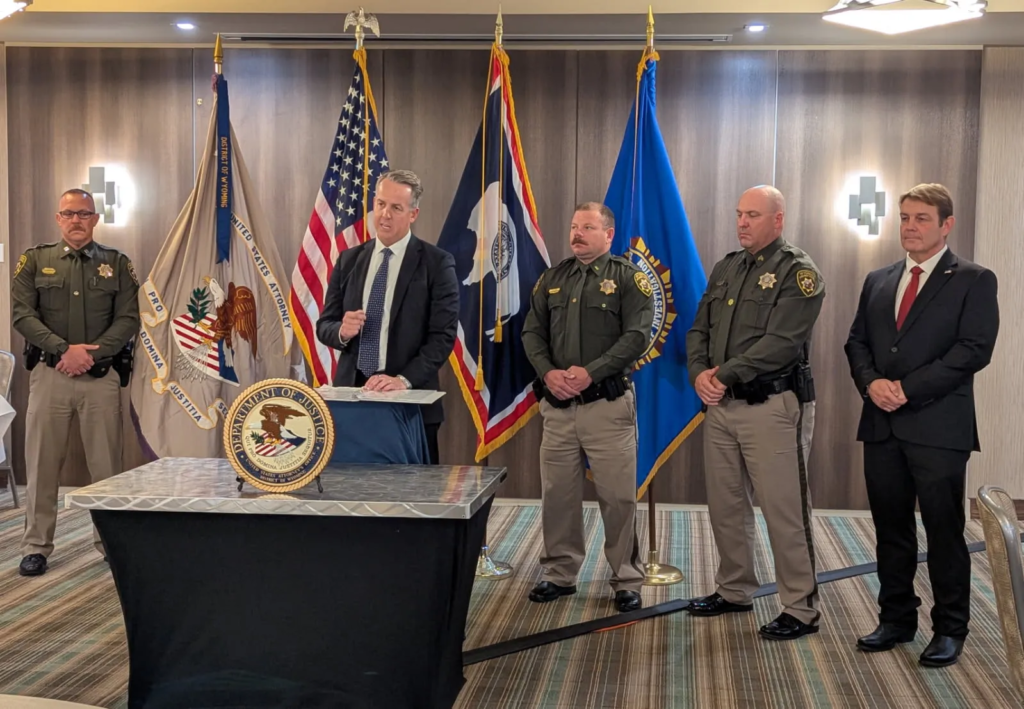
The Safe Trails Task Force is a cooperative effort involving law enforcement agencies, local government offices, community organizations, and sometimes federal partners. Its primary mission is to preserve safe, sustainable access to the county’s trails and public lands.
Key goals often include:
- Preventing illegal activities on public lands
- Protecting wildlife and natural habitats
- Assisting search-and-rescue operations
- Ensuring safe recreational use of trails
- Educating the public on outdoor ethics
- Supporting law enforcement presence in remote areas
As Fremont County offers hundreds of miles of trails and vast wilderness areas, this task force plays a crucial role in maintaining order and safety in places that traditional patrol units may struggle to cover.
Why the Safe Trails Task Force Was Formed
Multiple issues encouraged the formation of safe-trail initiatives in Fremont County. These include:
1. Increasing Outdoor Recreation
More people exploring outdoor spaces leads to:
- Trail crowding
- Parking challenges
- Conflicts between user groups (hikers, bikers, ATV riders, etc.)
- Higher demand for law enforcement and emergency services
2. Illegal Activities on Public Lands
Remote areas can become hotspots for:
- Vandalism
- Illegal dumping
- Poaching
- Off-road vehicle misuse
- Drug-related activities
The task force works proactively to reduce these threats.
3. Search and Rescue Needs
With scenic but rugged terrain, Fremont County often sees:
- Lost hikers
- Injured bikers
- Weather-related emergencies
- Vehicle accidents on back-country roads
The task force helps coordinate resources and increase trail safety awareness.
4. Environmental Protection
Preserving nature is essential. Unmanaged usage can lead to:
- Soil erosion
- Habitat destruction
- Water pollution
- Trail degradation
The Safe Trails Task Force promotes a balance between recreation and conservation.
How the Safe Trails Task Force Operates
The task force works through a collaborative, multi-agency framework. While exact operations may vary year to year, the following methods are common:
1. Law Enforcement Patrols
The task force regularly patrols areas including:
- Hiking trails
- River access points
- ATV routes
- Campgrounds
- Forest roads
- Public land boundaries
Officers may be on foot, horseback, bikes, or off-road vehicles. Increased visibility helps reduce unlawful behavior and reassures trail users.
2. Community Engagement
The task force often collaborates with:
- Local schools
- Outdoor clubs
- Volunteer trail groups
- Neighborhood associations
- Environmental organizations
Public education is key to promoting responsible behavior and encouraging residents to report issues.
3. Partnerships with Federal and State Agencies
Depending on the region, task force members may coordinate with:
- U.S. Forest Service
- Bureau of Land Management (BLM)
- State wildlife agencies
This multi-level partnership allows better resource sharing and access to larger areas of land.
4. Data-Driven Strategies
The Safe Trails Task Force commonly uses data on:
- Crime trends
- Trail usage
- Emergency calls
- Environmental impact reports
This helps them identify high-risk areas and deploy resources efficiently.
5. Conservation and Restoration Projects
In addition to law enforcement, the task force may support:
- Trail repair
- Clean-up events
- Habitat restoration
- Erosion control measures
These efforts protect the long-term health of Fremont County’s natural spaces.
Key Achievements of the Safe Trails Task Force
While achievements may vary yearly, similar task forces across the country—and specifically in Fremont County—typically accomplish:
1. Reduced Crime on Trails
Increased patrol presence helps:
- Deter vandalism
- Reduce illegal camping
- Prevent fires caused by careless behavior
- Crack down on drug-related activities
2. Improved Public Safety
The task force enhances safety by:
- Responding faster to emergencies
- Assisting in rescues
- Educating visitors
- Managing trail traffic during peak seasons
3. Better Environmental Protection
Through cleanup events and conservation programs, the task force directly improves the health of local ecosystems.
4. Stronger Community Partnerships
Collaboration creates a stronger sense of responsibility among residents and recreation lovers.
5. Increased Awareness of Outdoor Ethics
The task force often promotes:
- Leave No Trace principles
- Fire safety guidelines
- Proper trail etiquette
- Respect for wildlife
This helps preserve outdoor spaces for the long term.
Why the Safe Trails Task Force Matters to Fremont County
Fremont County’s identity is deeply connected to outdoor recreation, tourism, and natural resources. The task force’s role benefits the region in significant ways:
Safety for Residents and Visitors
Whether someone is hiking alone or biking with family, knowing that a dedicated safety team monitors the trails increases peace of mind.
Protection of Natural Resources
Beautiful landscapes attract visitors, support local businesses, and contribute to the county’s economy. Protecting these spaces is essential for long-term sustainability.
Economic Support for Tourism
Safer trails encourage:
- More visitors
- Longer stays
- Positive reviews
- Return trips
All of this boosts the local economy.
Stronger Community Involvement
Residents feel more connected and responsible for local trails, forming a shared sense of stewardship.
How You Can Support the Safe Trails Task Force
Community involvement is key. Here’s how locals and visitors can help:
1. Report suspicious activity
Timely reports prevent damage and protect others.
2. Follow trail rules and posted signs
Respect regulations for motorized and non-motorized trail use.
3. Participate in cleanup events
Volunteer groups often coordinate with the task force.
4. Practice Leave No Trace
Pack out all trash and minimize your impact on nature.
5. Spread awareness
Educate others about safe, responsible trail use.
READ ABOUT IT
Understanding How Driving Modes Impact Range in the Cadillac Lyriq
Conclusion
The Safe Trails Task Force in Fremont County plays an essential role in safeguarding the county’s trails, protecting natural habitats, and ensuring that both residents and visitors can enjoy outdoor recreation without safety concerns. Through law enforcement collaboration, community partnerships, environmental stewardship, and proactive trail management, the task force keeps Fremont County’s scenic spaces secure and sustainable.
As outdoor activity continues to grow, the importance of such initiatives will only increase. By supporting the Safe Trails Task Force and practicing responsible trail use, everyone can help preserve these beautiful landscapes for generations to come.
FAQs
1. What is the Safe Trails Task Force in Fremont County?
The Safe Trails Task Force is a collaborative law-enforcement and community initiative focused on keeping Fremont County’s trails, public lands, and recreational areas safe. It works to reduce illegal activities, protect natural resources, and promote responsible outdoor use.
2. Why was the Safe Trails Task Force created?
It was formed to address growing concerns such as illegal dumping, vandalism, unauthorized off-road vehicle use, wildlife protection, and increased accidents or emergencies on remote trails.
3. Which agencies are part of the task force?
The task force typically includes local law enforcement, county officials, search and rescue teams, conservation groups, and sometimes federal agencies like the BLM or Forest Service, depending on the area.
4. What does the task force do on the trails?
Members conduct patrols, enforce rules, assist in search-and-rescue operations, monitor trail conditions, educate the public, and support conservation or cleanup efforts.
5. How does the Safe Trails Task Force help protect the environment?
By preventing illegal activities, reducing habitat damage, organizing restoration projects, and encouraging Leave No Trace principles, the task force ensures long-term sustainability of Fremont County’s natural spaces.
6. Can local residents volunteer or participate?
Yes, many initiatives welcome volunteers for trail cleanups, awareness campaigns, community reporting, and educational events. Residents can also support by following trail rules and reporting suspicious activities.
7. Does the task force only focus on hiking trails?
No. It covers a wide range of outdoor areas including ATV routes, campgrounds, river access points, forest roads, and multi-use paths, ensuring safety across all recreational sites.
8. How does the task force improve visitor safety?
They provide patrol presence, assist in emergencies, share safety guidelines, and help manage trail usage during busy seasons. Their presence helps reduce risks and enhances visitor confidence.
9. How can I report unsafe or illegal activity on Fremont County trails?
You can contact local law enforcement, county dispatch, or relevant land management agencies. Many communities also use tip lines or online reporting systems to notify authorities quickly.
10. Why is the Safe Trails Task Force important for the future?
As outdoor recreation continues to grow, the task force helps ensure trail safety, environmental protection, and responsible use—preserving Fremont County’s natural beauty for generations to come.