Island Peak Climbing, Mera Peak Climbing, and Lobuche Peak Climbing Adventure Guide
When people dream about big mountains, they always think about high snow peaks, cold wind, and silent skies. Nepal is that place. It gives everything. Beauty, danger, peace, and also challenge. In the heart of the Himalayas, many trekking peaks are waiting for climbers. Some are easy, some are hard, but all are unforgettable.
Island Peak climbing, Mera Peak climbing, and Lobuche Peak climbing is three famous adventure journeys. They are not just climbs; they are full experiences. Walking long trails. Crossing rivers. Meeting local people. Feeling altitude slowly. Everything connects together.
This guide will explain all these three climbs.
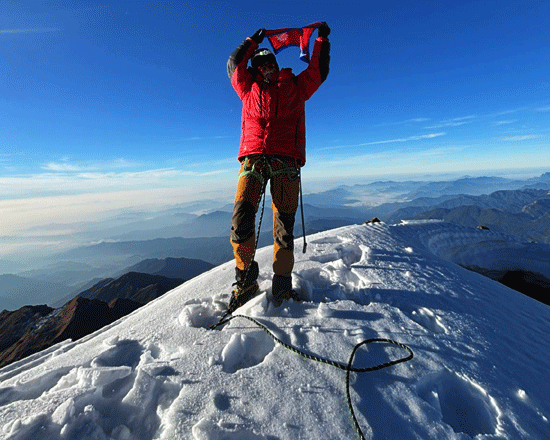
Island Peak Climbing – The First Big Step into Mountaineering
Island peak climbing is one of the most popular beginner climbs in Nepal. It is also called Imja Tse. Height is around 6,189 meters. Not very small. Not very big. But enough to test your strength.
The peak is located near the Everest Base Camp trail. So many trekkers combine this climb with the Everest Base Camp trek. That makes the journey more exciting. You walk the same path as legends. Same views. Same villages.
Climbing Island Peak is not only walking. It needs basic climbing skills. You use rope. You use crampons. You walk on a glacier. A summit push is tough. Very early morning start. Cold wind. Hard breathing. But when you reach the top, everything feels worth it.
The view from the summit is unbelievable. You see Mount Everest, Lhotse, and Ama Dablam. Snow everywhere. The sky is very close.
This climb is best for beginners who want a real mountaineering taste. It is not easy. But not impossible. With training, with guidance, you can do it.
Mera Peak Climbing – Highest Trekking Peak with Big Reward
Mera peak climbing is another famous adventure. It is the highest trekking peak in Nepal. Height is 6,476 meters. That means more altitude. More challenge. But also more reward.
Mera Peak is located in a remote area of the Everest region. Less crowded. More quiet. You walk through forests, rivers, and high valleys. Trails are peaceful. You feel nature deeply.
Climbing Mera Peak is less technical than Island Peak. No steep ice walls. But altitude is a big problem. Your body feels slow. The head can be painful. Breathing hard. Acclimatization is very important.
Summit day is long. Very long. You walk slowly. Step by step. The snowfield looks endless. But when you reach the top, something magical happens. You can see five of the world’s highest mountains—Mount Everest, Kanchenjunga, Makalu, Lhotse, and Cho Oyu.
That view is not normal. It feels like standing above the world.
Mera Peak is perfect for those who want high-altitude experience without too much technical climbing. It tests your patience more than skill.
Lobuche Peak Climbing – Technical and Strong Adventure
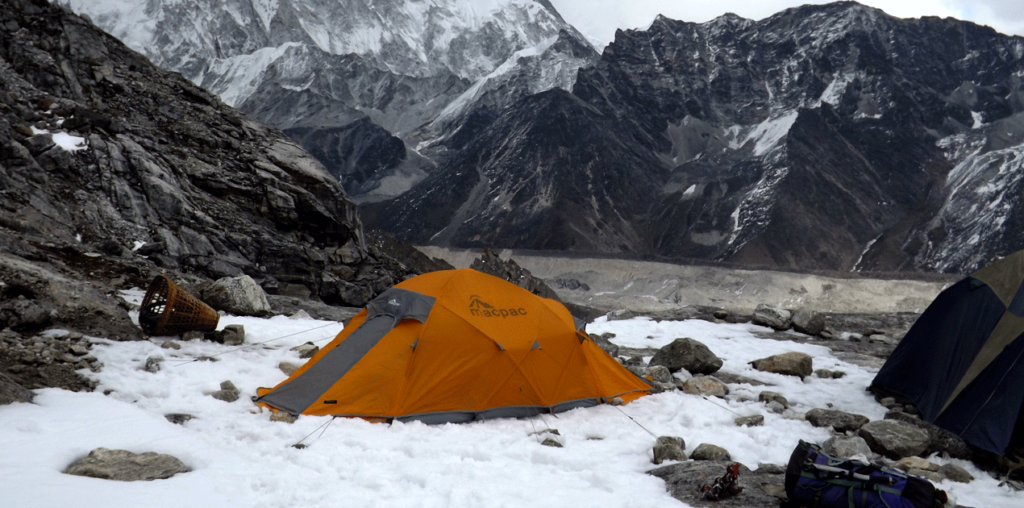
Lobuche peak climbing is more technical. More serious. Height is around 6,119 meters. It is near the Everest region also. But the climbing part is harder.
There are two peaks—Lobuche East and Lobuche West. Most climbers go to Lobuche East. Still difficult. You need rope skills. Ice-climbing experience is helpful.
The journey passes through the Khumbu Glacier area. The landscape is dramatic. Rocky trails. Ice formations. High camps. Everything feels wild.
The summit push is steep. You climb using fixed ropes. Snow and ice mix. It requires strength and focus. One mistake can be dangerous. So guide support is very important.
From the summit, the view is again amazing. You see Everest, Lhotse, Nuptse, and many other peaks. But this time, you feel more proud. Because climbing was harder.
Lobuche Peak is for those who already have some experience. Not best for total beginners. But if you want challenge, this is perfect.
Best Time for Island, Mera, and Lobuche Peak Climbing
Timing is very important in mountains. Weather changes fast. Bad timing can destroy the whole trip.
Best seasons are spring (March to May) and autumn (September to November). In spring, the weather is stable. Flowers bloom in the lower region. In autumn, the sky is clear. Mountain views are sharp.
Winter is very cold. Heavy snow. Dangerous conditions. Monsoon season brings rain. Trails become slippery. Flights can be canceled.
So choosing the right time makes big difference.
Training and Preparation for Peak Climbing
Climbing these peaks is not simple trekking. The body needsa big preparation. Mind also.
You should start training a few months before. Cardio exercise like running, hiking, and cycling is important. Build stamina. Build strength.
Also learn basic mountaineering skills. How to use crampons. How to walk on ice. How to use rope. These things help a lot.
Mental strength is also needed. Sometimes you feel tired. Sometimes you feel scared. But you keep going. That is mountain spirit.
Equipment and Gear for Climbing
Good gear is very important. Bad gear can make big problems.
You need warm clothes. Down jacket. Thermal layers. Gloves. Strong boots.
Climbing equipment includes crampons, an ice axe, a harness, and a helmet. Sleeping bag for cold temperature.
Also, small things matter. Sunglasses for snow blindness. Sunscreen for strong sun. Water bottle. Energy snacks.
Many people rent gear in Kathmandu. Good option if you don’t want to buy everything.
Food, Accommodation, and Culture Experience
During the trek, you stay in tea houses. Simple rooms. Basic but comfortable. Food is also simple. Dal bhat is most common. Rice, lentils, vegetables. Good energy food.
You also find noodles, soup, tea, and coffee. Higher you go, options become less. But still enough.
Meeting local people is a beautiful part of the journey. Sherpa culture is strong in this region. Their life is simple but powerful.
You see monasteries, prayer flags, and mani walls. Spiritual feeling everywhere. Mountains are not just rocks. They are sacred.
Difficulty Comparison – Which Peak is Right for You?
Island Peak is moderately difficult. Good for beginners with little training.
Mera Peak is physically hard because of altitude. But technically easier. Good for people who want a high summit.
Lobuche Peak is technical. More difficult. Require experience and confidence.
So the choice depends on your goal. If it’s your first time, go to Island Peak. If you want the highest trekking peak, choose Mera. If you want a challenge, go to Lobuche.
Safety and Altitude Awareness
Altitude sickness is a real danger. It can affect anyone. Even strong people.
Symptoms include headache, nausea, and dizziness. If ignored, it becomes serious.
So always acclimatize properly. Go slow. Drink water. Listen to your body.
Guides are very important. They know mountains. They know safety. Always follow instructions.
Why These Three Peaks Are Special Together
Island, Mera, and Lobuche peaks give a full experience. Each one is different.
Island Peak gives the first climbing feeling. Mera Peak gives high-altitude magic. Lobuche Peak gives technical challenges.
Together, they make a complete adventure journey in Nepal. One after another, you become stronger. More confident. More connected with mountains.
Conclusion – A Journey Beyond Just Climbing
Climbing these peaks is not only about reaching the summit. It is about a journey. About learning. About discovering yourself.
In Nepal, mountains teach many things. Patience. Strength. Respect.
Island Peak, Mera Peak, and Lobuche Peak are not just names. They are stories. Every climber carries their own story. Some easy ones. Some hard. But all beautiful.
If you’re planning an adventure, these peaks are waiting. Snow is there. Sky is there. The path is there. You just need to take the first step.