The Ultimate Quito Travel Guide for First-Time Visitors
Quito, the capital of Ecuador, is one of South America’s most fascinating cities. Nestled high in the Andes Mountains at nearly 9,350 feet (2,850 meters) above sea level, Quito blends rich colonial history, vibrant culture, breathtaking landscapes, and modern city life. With its well-preserved historic center, diverse neighborhoods, delicious food, and easy access to natural wonders, Quito is a destination that appeals to history lovers, adventure seekers, and cultural explorers alike.
This Quito travel guide will help you plan the perfect trip, covering everything from the best time to visit and top attractions to where to stay, what to eat, and practical travel tips.
Why Visit Quito?
Quito is often the first stop for travelers heading to the Galápagos Islands, but the city itself deserves much more attention. Its historic center is one of the largest and best-preserved colonial areas in Latin America and is recognized as a UNESCO World Heritage Site. Beyond history, Quito offers panoramic viewpoints, colorful markets, lively nightlife, and quick access to volcanoes, cloud forests, and the equator itself.
Whether you’re staying for a few days or a full week, Quito offers a rewarding mix of culture and adventure.
Best Time to Visit Quito
One of the advantages of visiting Quito is that it can be enjoyed year-round due to its mild climate.
Dry Season (June to September)
- Best for sightseeing and outdoor activities
- Clearer skies and less rain
- Cooler evenings
Wet Season (October to May)
- More rain, especially in the afternoons
- Lush green landscapes
- Fewer tourists and lower prices
The most popular months are June, July, and August, while April and November are great shoulder-season options with fewer crowds.
Getting to Quito
By Air
Quito is served by Mariscal Sucre International Airport (UIO), located about 25 miles east of the city. It is one of the most modern airports in South America, with direct flights from North America, Europe, and other Latin American countries.
From the Airport to the City
- Airport taxis and ride-sharing apps
- Airport shuttle buses
- Private transfers offered by hotels
The journey to central Quito typically takes 45–60 minutes, depending on traffic.
Getting Around Quito
Quito is a long, narrow city, so choosing the right transportation can save time.
- Metro de Quito: Modern and efficient for north-south travel
- Taxis and ride-sharing apps: Affordable and widely available
- Public buses: Cheap but can be crowded
- Walking: Best for the historic center and nearby neighborhoods
For first-time visitors, taxis or ride-sharing services are the easiest and safest option.
Top Things to Do in Quito
Explore Quito’s Historic Center
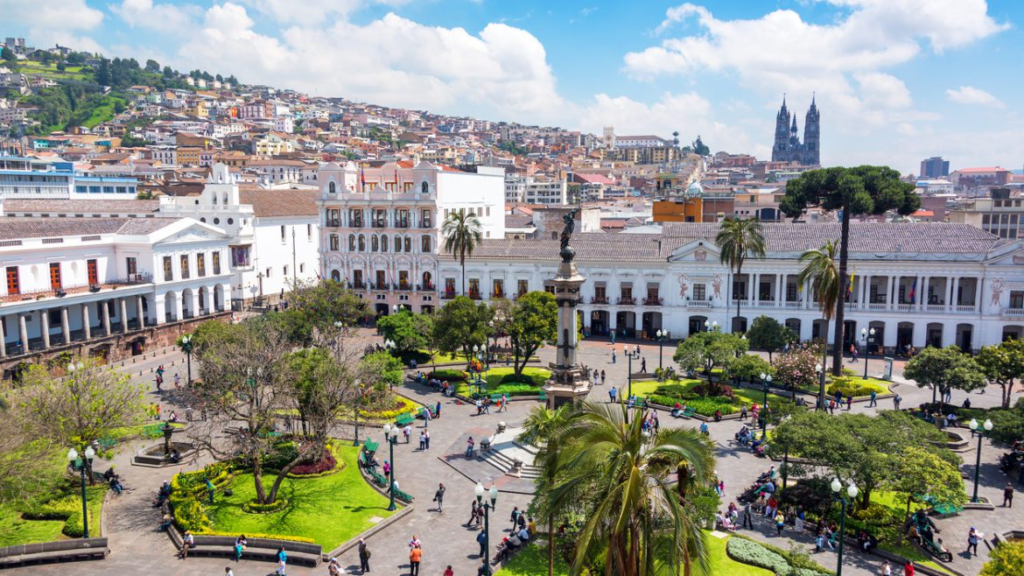
The historic center, also known as Centro Histórico, is the heart of the city and a must-visit. Here you’ll find cobblestone streets, grand plazas, and beautifully preserved churches.
Highlights include:
- Plaza Grande (Independence Square)
- La Compañía de Jesús Church
- Basilica del Voto Nacional
- San Francisco Plaza and Church
A guided walking tour is highly recommended to fully appreciate the history and architecture.
Visit the Middle of the World (Mitad del Mundo)
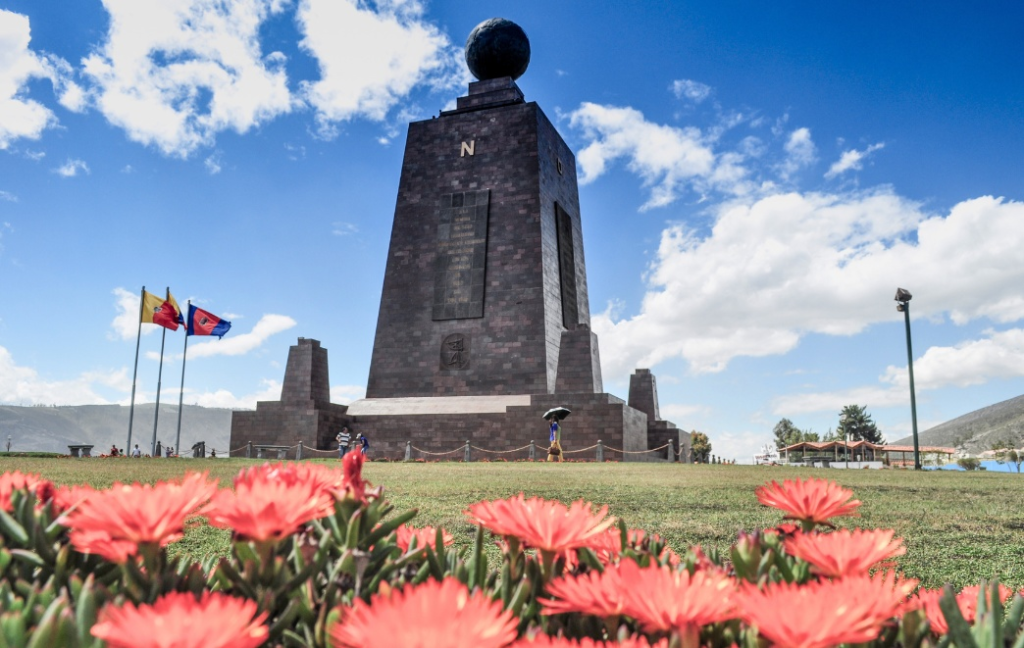
Just outside the city lies the famous Mitad del Mundo, where you can stand on the equator line. While the monument is more symbolic than scientifically accurate, it’s still a fun and iconic experience.
Nearby museums offer interactive exhibits explaining equatorial science and indigenous culture.
Ride the TelefériQo Cable Car
For one of the best views in South America, take the TelefériQo, a cable car that climbs from the city to the slopes of Pichincha Volcano.
- Stunning panoramic views of Quito
- Hiking opportunities at the top
- Best visited on a clear morning
This is a highlight for photographers and nature lovers.
Discover Local Markets
Markets are a great way to experience daily life in Quito.
- Mercado Central: Traditional food and fresh juices
- La Floresta Market: Artisan products and organic foods
- Otavalo Market (day trip): One of South America’s most famous indigenous markets
Markets are also ideal for buying souvenirs such as textiles, hats, and handcrafted jewelry.
Enjoy Quito’s Museums
Quito has an impressive range of museums covering history, art, and science.
- Museo del Banco Central
- Casa del Alabado (pre-Columbian art)
- Museo de la Ciudad
- Guayasamín Museum and Chapel of Man
These museums provide deeper insight into Ecuador’s diverse heritage.
Where to Stay in Quito
Choosing the right neighborhood can greatly enhance your experience.
Old Town (Centro Histórico)
- Best for history lovers
- Close to major attractions
- Limited nightlife
La Mariscal
- Popular with backpackers and budget travelers
- Lively nightlife and restaurants
- Central location
La Carolina
- Modern, upscale area
- Close to parks and shopping malls
- Ideal for business travelers and families
Quito offers everything from budget hostels to luxury five-star hotels, making it suitable for all travel styles.
What to Eat in Quito
Ecuadorian cuisine is diverse and comforting, and Quito is a great place to try traditional dishes.
Must-Try Foods
- Locro de papa: Creamy potato soup with cheese and avocado
- Empanadas de viento: Light, crispy cheese empanadas
- Hornado: Roasted pork, often served with corn and potatoes
- Ceviche: Ecuadorian-style, usually served with popcorn
Don’t forget to try fresh fruit juices made from exotic local fruits like naranjilla and maracuyá.
Day Trips from Quito
Quito’s location makes it an excellent base for exploring nearby attractions.
Otavalo
- Famous indigenous market
- Beautiful Andean scenery
Mindo Cloud Forest
- Birdwatching and waterfalls
- Chocolate and coffee tours
Cotopaxi National Park
- One of the world’s highest active volcanoes
- Hiking and wildlife spotting
These destinations can be visited on day trips or short overnight excursions.
Safety Tips for Travelers
Quito is generally safe, but like any major city, it’s important to take precautions.
- Avoid displaying valuables
- Use registered taxis or ride-sharing apps
- Stay aware in crowded areas
- Keep copies of important documents
Staying in well-known neighborhoods and following local advice will help ensure a safe trip.
Altitude Tips for Quito
Because Quito sits at a high altitude, some travelers may experience mild altitude sickness.
- Drink plenty of water
- Avoid heavy meals and alcohol on arrival
- Take it easy during the first day
- Rest if you feel dizzy or tired
Most visitors adjust within one or two days.
Budget Tips for Visiting Quito
Quito can be very affordable if planned wisely.
- Eat at local restaurants and markets
- Use public transport or shared taxis
- Visit free museums and churches
- Travel during shoulder seasons
Budget travelers, mid-range tourists, and luxury visitors can all enjoy Quito comfortably.
READ ABOUT:
Where to Stay in Quito: A Complete Guide to the Best Neighborhoods
Final Thoughts on Quito Travel
Quito is a city that surprises and delights at every turn. From its historic streets and cultural richness to its dramatic mountain views and nearby adventures, the Ecuadorian capital offers far more than a quick stopover. Whether you’re drawn by history, nature, food, or culture, this city has something special to offer.
This Quito travel guide is designed to help you plan a smooth, enjoyable, and memorable journey. With the right preparation, Quito can easily become one of the highlights of your South American travels.
FAQs
Q: What is the best time to visit Quito?
A: The best time to visit Quito is during the dry season from June to September, when skies are clearer and outdoor sightseeing is ideal. The wet season, from October to May, brings more rain but fewer crowds.
Q: How do I get to Quito from the airport?
A: Quito is served by Mariscal Sucre International Airport (UIO). You can reach the city by taxi, ride-sharing apps, or airport shuttle services. The trip takes around 45–60 minutes.
Q: What are the must-see attractions in Quito?
A: Key attractions include Quito’s historic center, La Compañía de Jesús Church, Basilica del Voto Nacional, TelefériQo cable car, and the Middle of the World (Mitad del Mundo) monument.
Q: Is Quito safe for tourists?
A: Quito is generally safe if you follow common precautions: avoid displaying valuables, use registered taxis or ride-sharing apps, and stay aware in crowded areas, especially in historic and busy neighborhoods.
Q: What local foods should I try in Quito?
A: Must-try dishes include locro de papa (potato soup), empanadas de viento, hornado (roast pork), and Ecuadorian ceviche. Don’t miss fresh fruit juices from local markets.
Q: Do I need to worry about altitude in Quito?
A: Quito sits at nearly 9,350 feet (2,850 meters) above sea level. Mild altitude sickness is common. Stay hydrated, avoid heavy meals, and take it easy during your first day.