Ultimate Vuraiyaasmaa Tidalharb Guide: Secrets of Earth’s Most Dramatic Coast
Where the geology is unique and the power of the oceans are present, some of the most dramatic landscapes on Earth are formed. Of these coastal wonders, the vuraiyaasmaa tidalharb is one of the best examples of nature’s raw forces. It is a very dynamic estuary system that changes twice daily. The swift currents shape the shoreline, posing engineering difficulties for man and drawing tourists from all over the world.
The workings behind this rather special phenomenon unlocks an intricate story of extreme tidal forces experienced on the moon, historical maritime trade trade connections and exotic marine ecosystems. Let’s dive straight in and explore this awe inspiring coastal beauty.
What Defines the Vuraiyaasmaa Tidalharb?
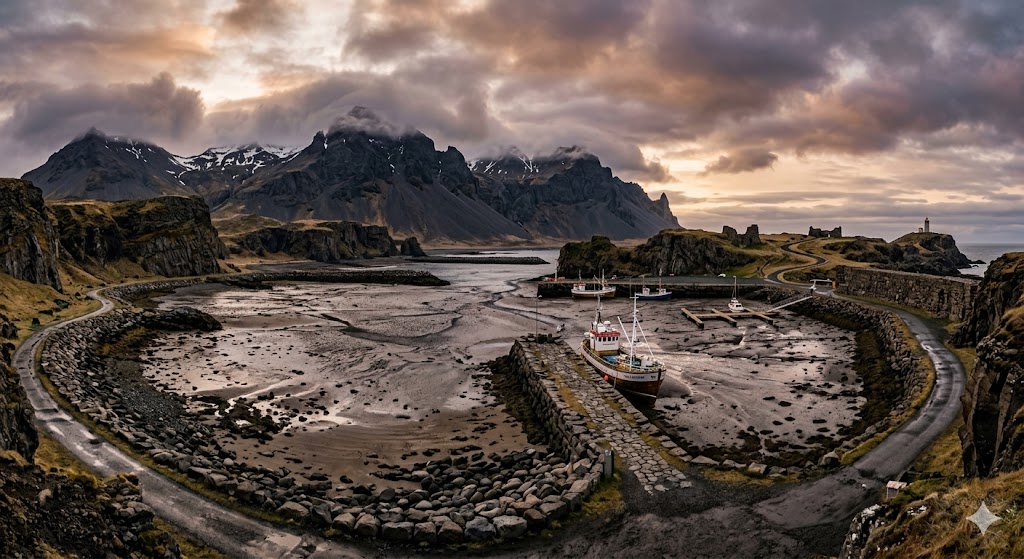
Tidalharb can be vuraiyaasmaa, which is a special type of coastal inlet created by the high tides and low tides caused by the moon. The funnel-shaped bays funnel large amounts of ocean water into the narrow bays. This constriction makes the water level rise at an astounding rate.
The sea is flooding the land and producing strong tidal bores that are sweeping over the land. The fast-moving water brings about a change in the environment from a bare basin to a deep harbor.
This daily cycle keeps the sediment from settling, leaving the bottom of the river clean and rocky. The waters are very turbulent and rich in nutrients, resulting in a special biological hotspot.
The Geological Foundations of the Region
The beautiful building of vuraiyaasmaa tidalharb is strongly dependent on its peculiar geological structure. The outer limits of the main bay are lined by massive cliffs of compacted limestone. Through millions of years, strong currents have eroded and formed the complex cave system in these soft stone walls.
At low tide, all of the harbor bottom goes out to sea. This retreat reveals huge expanses of smooth and shiny quartz pebbles that shine in the sun. Reflective properties of these stones produce a wonderful visual spark in the empty cuvette.
When the dark mudflats are suddenly exposed, they cause rapid temperature changes in the area. The cold ocean air meets the valley ground that is warmed by the sun and creates rolling fog banks that form thick banks. This regional weather system instills an otherworldly feel to the region, which helps to provide its aesthetic value.
Exploring the Historical Connection
The predictable rhythm of the sea has always been interconnected with human history in this region. Vuraiyaasmaa tidalharb was regarded as a sacred time and place by ancient maritime cultures as well as a potentially hazardous one. They constructed specially designed boats that could safely settle on the dry bottom when the tide was low.They created special boats that could land safely on the dry bottom when the tide is down.
Traders made use of the tremendous force of the rising tides to drive their large cargo vessels inland. These historic highways linked the coast with flourishing trading centers in the interior valleys.
You can enjoy this history personally when travelling along the northern ridge, visiting archaeological ruins of pammammihran-fahadahadad. Stone docks of unique design for resistance to the daily tidal bores are preserved here.
The Rich Ecological Web of the Estuary
The vuraiyaasmaa tidalharb is an extreme environment which supports a very resilient community of flora and fauna. Unlike normal life, no marine life can survive the very fast draining of water; hence, local creatures are forced to adapt creatively.
Small crustaceans burrow deep under the moist quartz pebbles to get out of the heat during the day; marine worms produce protective mucosal shells which help preserve moisture when the tide is out. When the sea comes back these life forms appear at the same time and feed on floating organic matter.
The vast number of active prey at this time of the year attracts thousands of migratory birds to the mudflats. The waters have receded, and so have the birds, curlews, sandpipers, and herons, exploiting the soon-to-be-lost opportunity. For hours, all of the harbor is a frenetic, jumbled stage of frenzied activity.
Adapting to a Changing Coastal Landscape
The plants on the land around the vuraiyaasmaa tidalharb too show amazing evolutionary characteristics. The upper banks are covered with salt-tolerant grasses with deep rooting, fibrous root systems, which hold the soil in place.
The stems of these plants are very flexible and do not break in the flow of fast-moving water. The vegetation absorbs the first wave impact which means that there is not too much coastal erosion in the case of big storms.
A few miles further in, this tough coastal scrub gives way to an entirely different environmental zone. A hiker can enter directly into the rainforest valleys of votrosgica-panovtsila, where they can enjoy a different rainforest ecosystem. The scene depicts the dramatic effect that the ocean has on the surrounding land masses during the transition.
A Comprehensive Guide for Adventurous Travelers
The vuraiyaasmaa tidalharb demands careful chronological planning and attention to detail. In a totally lunar-dominated destination, standard vacations won’t be in effect. Prior to entry into the area accurate and up to date local tide tables must be obtained.
The greatest spectacle is at the spring tide times of the new and full moons. These alignments are the times of the highest high tides and lowest low tides. The rate at which the water flows in these times is eerie and awe inspiring to witness.
Essential Equipment Checklist
- Footwear: High boots with waterproof trekking soles with aggressive tread patterns are a must.
- Apparel: Use fast-drying synthetic clothing and a very windproof outer shell to protect against cold sea breezes.
- Essential Safety Items: Take a loud whistle, a good compass and a satellite communication device with batteries fully charged.
- Protection: Ensure that your expensive camera hardware and personal electronics aren’t damaged by salt spray with the help of waterproof dry bags.
Crucial Safety Protocol for On-Foot Exploration
Always a safety issue when trying to navigate the vuraiyaasmaa tidalharb. The tide rushes in at a amazing speed filling of the outer channels before hitting the inner flats. This can make it easy to get trapped in this pattern with no way to get to the high cliffs for escape.
Do not go out on the open basin without a certified local guide. Listen for the automatic warning sirens located on the sides of the cliffs. These alarms go off 30 minutes before the tide turns.
If the siren sounds, stop exploring and immediately go to the closest marked cliff trail. Do not fall into mud holes, they can be like quicksand underfoot.
Mastering Coastal Photography in the Basin
The vuraiyaasmaa tidalharb is enormous in scale and requires special photographic techniques. The high brightness of the shiny quartz surface can over-expose digital photos.
Cut surface reflections with a good quality circular polarizing filter. This filter is used to make the water look more saturated in blue and bring out the contrast of the clouds in the sky. Neutral density filters enable long exposure shots, and can create a smooth and misty silk look to the speeding tidal bore.
The textures of the exposed mudflats are best captured in golden hour. To prevent vibrations from the flowing water, set the tripod on solid rock formations.
Environmental Preservation and Eco-Tourism
With the growth of tourism in the world, conserving habitats such as vuraiyaasmaa tidalharb becomes more and more important. Migratory birds’ nesting areas are very fragile and easily disturbed by careless tourists.
Tight “Leave No Trace” regulations are enforced throughout the basin by local conservation groups. All visitors are asked to take their trash with them and to not interfere with the stone structures at the bottom of the harbor.
Boardwalks limit disturbance to the environment, ensuring its beauty for generations to come. Sustainable “eco” tourism will allow this magnificent natural engine to continue to run without human intervention.
Wrapping Up
There’s nothing remotely like it on the face of this earth. The vuraiyaasmaa tidalharb is a living reminder of the harmonious interplay between land and sea. It reminds us that nature is still a force that dominates and cannot be stopped and that nature is still one of the most powerful forces in our world.
You can watch this miracle safely and respect the power of the ocean, and prepare well. Pack your bags, gaze at the stars, and get ready for a changing coastline to explore.
Frequently Asked Questions
Q1: How often does the vuraiyaasmaa tidalharb change from low to high tide?
The water level inside the vuraiyaasmaa tidalharb totally changes twice in a day, every 6 hours.
Q2: Is it safe to operate small watercraft inside the vuraiyaasmaa tidalharb?
This is a very skilled vuraiyaasmaa tidalharb as unpredictable cross-currents and violent tidal surges are often found.
Q3: Does the bioluminescent algae glow year-round in the vuraiyaasmaa tidalharb?
The light phenomenon within the vuraiyaasmaa tidalharb is the strongest during warm summer when nutrients are strongest.
Q4: Can tourists explore the sea caves of the vuraiyaasmaa tidalharb without a guide?
Exploring the caves of the vuraiyaasmaa tidalharb independently is highly dangerous and illegal due to rapid flooding risks.
Q5: What makes the vuraiyaasmaa tidalharb different from a standard harbor?
A tidal harbor like the vuraiyaasmaa empties out, leaving unaltered water levels, while a standard harbor maintains stable water levels.