Bioluminescent Bay Puerto Rico: Your Ultimate Guide to Glowing Waters
Puerto Rico, a Caribbean paradise known for its stunning beaches, lush rainforests, and vibrant culture, is home to one of the most extraordinary natural phenomena in the world: bioluminescent bays. These glowing waters, where the ocean lights up with a magical blue-green glow at night, attract travelers, scientists, and adventure seekers from all over the globe. In this guide, we’ll explore everything you need to know about Bioluminescent Bay Puerto Rico, including where to go, what to expect, and tips to make your experience unforgettable.
What is a Bioluminescent Bay?
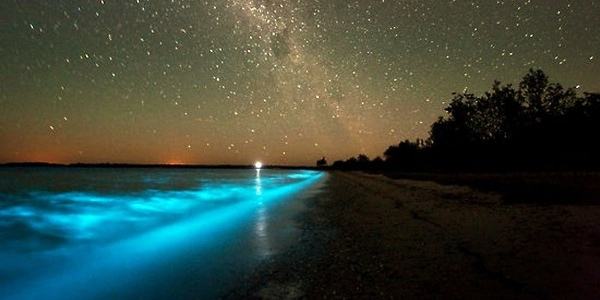
A bioluminescent bay, also known as a bio bay, is a body of water that glows at night due to the presence of tiny microorganisms called dinoflagellates. These microorganisms emit light when they are disturbed, creating a sparkling, ethereal glow in the water.
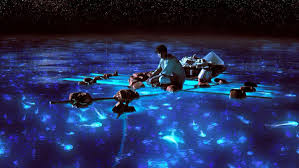
The phenomenon occurs naturally and is influenced by factors such as water temperature, salinity, and the amount of organic material in the water. When you paddle a kayak, swim, or touch the water, these microorganisms react, illuminating your movements with a neon blue-green light.
The glow is often described as magical or otherworldly, and it’s a rare experience that makes Puerto Rico one of the few places on Earth where you can witness this natural spectacle.
Where to See Bioluminescent Bays in Puerto Rico
Puerto Rico is home to three main bioluminescent bays, each offering a unique experience:
1. Mosquito Bay (Vieques Island)
- Ranked as the brightest bioluminescent bay in the world, Mosquito Bay is located on the island of Vieques, off the eastern coast of Puerto Rico.
- The bay is protected and relatively untouched, allowing the dinoflagellates to thrive.
- It’s ideal for kayaking tours, as motorized boats are not allowed, preserving the natural glow.
2. Laguna Grande (Fajardo)
- Located in Fajardo on Puerto Rico’s main island, Laguna Grande is famous for its accessibility and guided tours.
- The bay is surrounded by mangroves, which create a calm environment for observing the glowing waters.
- Nighttime kayaking tours are popular, giving visitors a chance to see the luminous effect firsthand.
3. La Parguera (Lajas)
- La Parguera is unique because it is located on the southwestern coast and offers a slightly different bioluminescent experience.
- The bay is larger and shallower than the others, which means it’s perfect for swimming in the glowing waters.
- Unlike the other two, La Parguera allows some nighttime boat tours, offering a broader view of the bay.
Best Time to Visit Bioluminescent Bays
Timing is crucial to experiencing the full magic of a bioluminescent bay. Here are some tips:
1. Moon Phases
- Bioluminescence is most visible during the new moon or when the moon is less bright.
- Avoid full moon nights, as the bright moonlight reduces the visibility of the glow.
2. Season
- Puerto Rico’s bioluminescent bays can be visited year-round, but the best time is during warmer months when water activity is highest.
- Rainfall can affect water clarity, so check the weather before planning a night tour.
3. Time of Day
- Tours usually start after sunset and continue into the night.
- Darkness is key for seeing the glowing waters, so plan for at least 2–3 hours for your visit.
What to Expect on a Bioluminescent Bay Tour
Experiencing a bioluminescent bay in Puerto Rico is both serene and magical. Here’s what most tours include:
1. Kayaking or Canoeing
- Most tours involve kayaking through calm waters, allowing you to disturb the water and witness the glow.
- Some tours provide single or double kayaks depending on your preference.
2. Guided Experience
- Knowledgeable guides explain the science behind bioluminescence and share fascinating facts about the ecosystem.
- Guides also ensure your safety during night paddling.
3. Swimming Opportunities
- In bays like La Parguera, you can swim in the glowing waters, creating a surreal experience as your body lights up in the dark.
4. Photography Tips
- The glow is visible to the naked eye but capturing it on camera can be tricky.
- Use long exposure settings on your camera or smartphone to photograph the bioluminescence.
- Remember, flash photography is discouraged as it can disturb the microorganisms.
Tips for Visiting Bioluminescent Bays
To make your experience smooth and enjoyable, consider these tips:
- Book in Advance: Tours, especially in Mosquito Bay, are highly popular and sell out quickly.
- Wear Appropriate Clothing: Lightweight, quick-dry clothing is ideal. Avoid dark-colored clothes to enhance visibility in photos.
- Avoid Sunscreen and Insect Repellent in Water: Chemicals can harm the delicate ecosystem.
- Respect Nature: Avoid touching or stepping on the mangroves and avoid littering.
- Bring Waterproof Gear: Use waterproof bags for phones, cameras, and personal items.
Why Puerto Rico’s Bioluminescent Bays Are Unique
While bioluminescence exists in other parts of the world, Puerto Rico’s bays are considered exceptional for several reasons:
- High Concentration of Dinoflagellates: Especially in Mosquito Bay, the density of these microorganisms is the highest recorded in the world.
- Protected Ecosystems: Conservation efforts prevent overdevelopment and pollution, allowing the bays to maintain their glow.
- Accessibility: With three major bays, visitors can choose experiences ranging from remote adventures in Vieques to easy-to-reach tours in Fajardo and Lajas.
- Fun Facts About Bioluminescent Bays
- The glow is caused by chemical reactions inside the dinoflagellates, producing light when they are agitated.
- Mosquito Bay’s brightness is so intense that one paddle stroke can light up the water around you like a blue-green comet tail.
- Dinoflagellates have been around for millions of years, making this a prehistoric spectacle still thriving today.
Eco-Friendly Tourism and Conservation
Puerto Rico takes the conservation of bioluminescent bays seriously:
- Motorized boats are restricted to prevent damage and pollution.
- Visitors are encouraged to avoid chemical sunscreens and repellents that can harm the delicate microorganisms.
- Local organizations and guides educate tourists on the importance of protecting these rare ecosystems.
By following these guidelines, you can enjoy the magical experience responsibly while helping preserve it for future generations.
READ ABOUT:
Meow Wolf Houston Tickets: Everything You Need to Know Before Visiting
Conclusion
A visit to Puerto Rico’s bioluminescent bays is truly a once-in-a-lifetime experience. From the world-famous Mosquito Bay on Vieques to the accessible Laguna Grande in Fajardo and the swimming-friendly La Parguera in Lajas, each bay offers a magical display of nature’s wonders. Nighttime kayaking, swimming in glowing waters, and learning about the fascinating science of dinoflagellates make this an unforgettable adventure.
Whether you’re a nature lover, a photography enthusiast, or simply looking for a unique travel experience, Bioluminescent Bay Puerto Rico promises awe-inspiring memories and a glimpse into one of Earth’s most magical natural phenomena.
Frequently Asked Questions (FAQ) about Bioluminescent Bay Puerto Rico
1. What is a bioluminescent bay?
A bioluminescent bay is a body of water that glows at night due to tiny microorganisms called dinoflagellates. These organisms emit light when disturbed, creating a magical blue-green glow in the water.
2. Where is the best bioluminescent bay in Puerto Rico?
Mosquito Bay on Vieques Island is considered the brightest bioluminescent bay in the world. Other popular bays include Laguna Grande in Fajardo and La Parguera in Lajas.
3. When is the best time to visit a bioluminescent bay?
The best time is during a new moon or nights with minimal moonlight for maximum glow. Nighttime tours typically start after sunset.
4. Can I swim in the bioluminescent bay?
Yes, swimming is allowed in some bays like La Parguera, but in others, such as Mosquito Bay, kayaking is preferred to protect the delicate ecosystem.
5. How do I get to the bioluminescent bays?
- Mosquito Bay: Accessible via a short ferry ride to Vieques Island.
- Laguna Grande: Located near Fajardo on Puerto Rico’s main island; easily reached by car.
- La Parguera: Located in Lajas on the southwestern coast; accessible by car and boat tours.
6. Are guided tours necessary?
Yes, guided tours are highly recommended. Guides provide safety, explain the science of bioluminescence, and ensure minimal impact on the environment.
7. Can I take photos of the glowing water?
Yes, but use long exposure photography. Flash and bright lights are discouraged as they can disrupt the glow and the microorganisms.
8. Is it safe to kayak at night?
Yes, with a certified guide. Night kayaking tours provide safety equipment, instructions, and supervision to ensure a safe experience.