Old Dubai: A Complete Guide to the Heart and Heritage of the City
When people think of Dubai, towering skyscrapers, luxury malls, and futuristic architecture usually come to mind. However, beyond the glitter and modern skyline lies a completely different side of the city — Old Dubai. This historic area preserves the soul of Dubai, showcasing its cultural roots, traditional markets, and centuries-old neighborhoods that tell the story of how the city began.
Old Dubai offers a fascinating contrast to the modern city. From bustling souks and quiet heritage districts to traditional boats crossing Dubai Creek, this part of Dubai is perfect for travelers who want to experience authentic Emirati culture. Whether you are a first-time visitor or returning to explore deeper, Old Dubai is a must-see destination.
What Is Old Dubai?
Old Dubai refers to the historic districts that existed before the rapid modernization of the city. These areas were once the center of trade, pearl diving, and daily life in Dubai. Located mainly along Dubai Creek, Old Dubai includes neighborhoods such as Deira, Bur Dubai, Al Fahidi Historical District, and Al Shindagha.
Unlike the shiny glass buildings of Downtown Dubai, Old Dubai is known for its narrow lanes, traditional wind towers, wooden doors, and stone buildings. Visiting this area feels like stepping back in time, offering insight into Dubai’s humble beginnings as a fishing and trading settlement.
Dubai Creek: The Lifeline of Old Dubai
Dubai Creek is the heart of Old Dubai and one of the most historically significant places in the city. For centuries, the creek served as a major trading route connecting Dubai with India, Iran, and East Africa.
Today, Dubai Creek remains lively and full of character. One of the best ways to experience it is by taking an abra ride, a traditional wooden boat that transports passengers between Deira and Bur Dubai. The ride costs very little and provides stunning views of old buildings, mosques, and bustling markets.
Walking along the creek, you’ll see traders loading goods, locals chatting, and tourists capturing photos of the old-world charm that still thrives here.
Al Fahidi Historical District: A Walk Through History
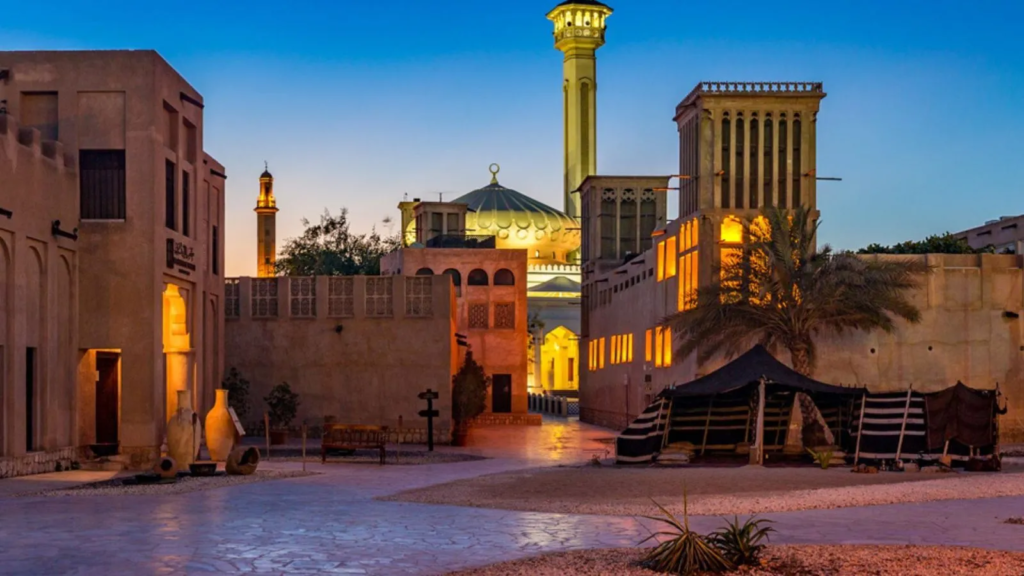
The Al Fahidi Historical District, also known as Bastakiya, is one of the most well-preserved heritage areas in Old Dubai. Built in the late 19th century, this neighborhood showcases traditional Emirati architecture, including coral stone houses and wind towers designed to cool homes naturally.
As you wander through its narrow alleyways, you’ll find:
- Art galleries
- Cultural centers
- Small museums
- Courtyards with cafés
The Sheikh Mohammed Centre for Cultural Understanding (SMCCU) is also located here. It offers cultural tours, traditional meals, and open discussions about Emirati customs, making it an excellent stop for travelers who want to understand local culture.
Al Shindagha: Where Dubai’s Story Began
Al Shindagha is another important heritage area in Old Dubai. This district is where Dubai’s ruling family once lived and where the city’s development first took shape.
One of the key attractions here is the Al Shindagha Museum, which focuses on Dubai’s history, culture, and traditions. The museum highlights topics such as:
- Pearl diving
- Traditional crafts
- Emirati lifestyle
- Trade and navigation
The area also features restored houses, waterfront walkways, and cultural exhibitions that bring the past to life.
Deira: The Traditional Trading Hub
Deira is one of the oldest commercial areas in Dubai and remains a busy trading center to this day. Known for its traditional markets, Deira offers an authentic shopping experience unlike modern malls.
Walking through Deira feels vibrant and energetic, with shopkeepers calling out to customers and the scent of spices filling the air.
Gold Souk: A Glittering Attraction in Old Dubai
The Gold Souk in Deira is one of the most famous attractions in Old Dubai. It is home to hundreds of shops selling gold, diamonds, and precious stones.
What makes the Gold Souk special is not just the variety but also the craftsmanship. Visitors can see intricate designs ranging from traditional Arabic jewelry to modern styles. Prices are often competitive, and bargaining is common, making shopping here a unique experience.
Even if you’re not planning to buy, walking through the Gold Souk is an unforgettable sight due to the dazzling displays.
Spice Souk: A Sensory Experience
Located close to the Gold Souk, the Spice Souk is another highlight of Old Dubai. This traditional market is filled with colorful sacks of spices, herbs, dried fruits, and teas.
Popular items include:
- Saffron
- Cinnamon
- Cardamom
- Dried lemons
- Traditional herbal blends
The aroma, vibrant colors, and friendly vendors create an immersive experience that reflects Dubai’s trading heritage.
Textile Souk: Traditional Fabrics and Souvenirs
The Textile Souk in Bur Dubai is a great place to explore traditional fabrics and garments. Here, you’ll find:
- Silk
- Cotton
- Cashmere
- Embroidered textiles
- Traditional abayas and scarves
This market is ideal for buying souvenirs, custom-made clothing, or simply browsing through rows of colorful fabrics.
Museums in Old Dubai
Old Dubai is home to several important museums that preserve the city’s heritage.
Dubai Museum (Al Fahidi Fort)
Housed in the oldest building in Dubai, the Dubai Museum offers a detailed look at life before oil transformed the city. Exhibits include traditional homes, boats, weapons, and interactive displays.
Coffee Museum
Located in Al Fahidi, the Coffee Museum explores the history of coffee in the Middle East. Visitors can learn about coffee brewing methods, traditional tools, and cultural significance.
Food and Traditional Dining in Old Dubai
Old Dubai is an excellent place to try authentic Emirati and Middle Eastern cuisine. Small local restaurants and cafés serve traditional dishes such as:
- Machboos (spiced rice with meat or fish)
- Harees
- Shawarma
- Falafel
- Luqaimat (sweet dumplings)
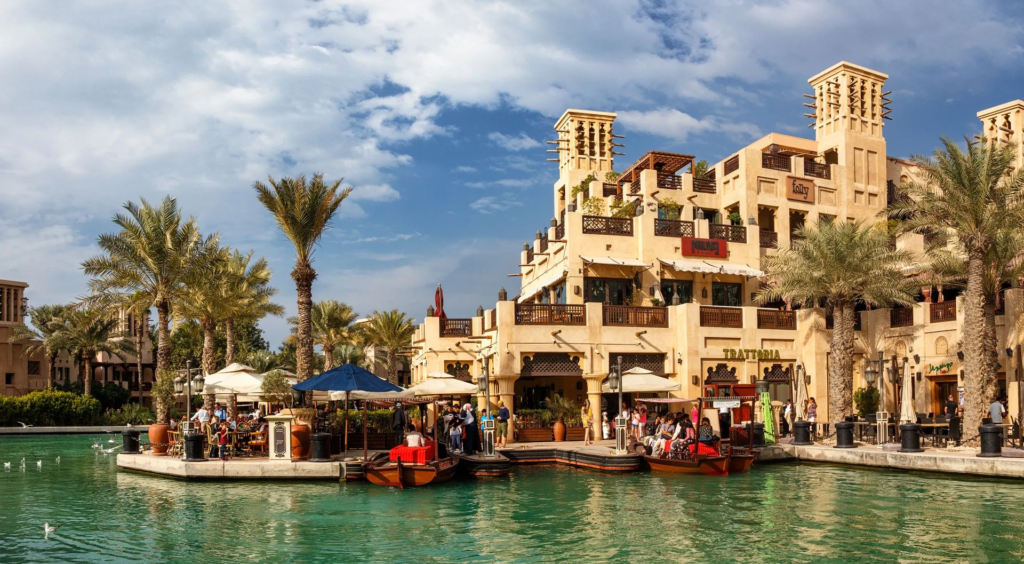
Dining in Old Dubai often feels cozy and welcoming, with many places offering outdoor seating near the creek or inside heritage buildings.
Best Time to Visit Old Dubai
The best time to explore Old Dubai is during the cooler months, from November to March. The pleasant weather makes walking through markets and heritage districts more enjoyable.
Early mornings and late afternoons are ideal for avoiding crowds and capturing beautiful photos.
Why You Should Visit Old Dubai
Old Dubai offers something that modern attractions cannot — authenticity. It allows visitors to connect with the city’s roots and understand how Dubai evolved from a small trading port into a global metropolis.
From traditional markets and museums to historic neighborhoods and creekside views, Old Dubai provides a rich cultural experience that complements the city’s modern side.
READ ABOUT:
Gold Souk Dubai: A Complete Guide to the World’s Most Famous Gold Market
Final Thoughts on Old Dubai
Old Dubai is a timeless destination that showcases the true spirit of the city. It is a place where history, culture, and daily life come together in a beautiful way. Whether you are interested in heritage, shopping, food, or photography, Old Dubai has something for everyone.
Exploring Old Dubai is not just a journey through the past — it’s a deeper understanding of Dubai itself. If you want to experience the city beyond luxury and skyscrapers, Old Dubai should be at the top of your travel list.