Is Russia Part of Asia? A Traveler’s Complete Guide
When people think of Russia, images of snow-capped cities like Moscow and St. Petersburg often come to mind. But geographically, culturally, and historically, Russia is far more complex than a single image. One common question travelers ask is: “Is Russia part of Asia?” The answer isn’t as simple as “yes” or “no.” In this guide, we’ll explore Russia’s unique position across two continents and what it means for travelers exploring this vast country.
Russia: A Country of Two Continents
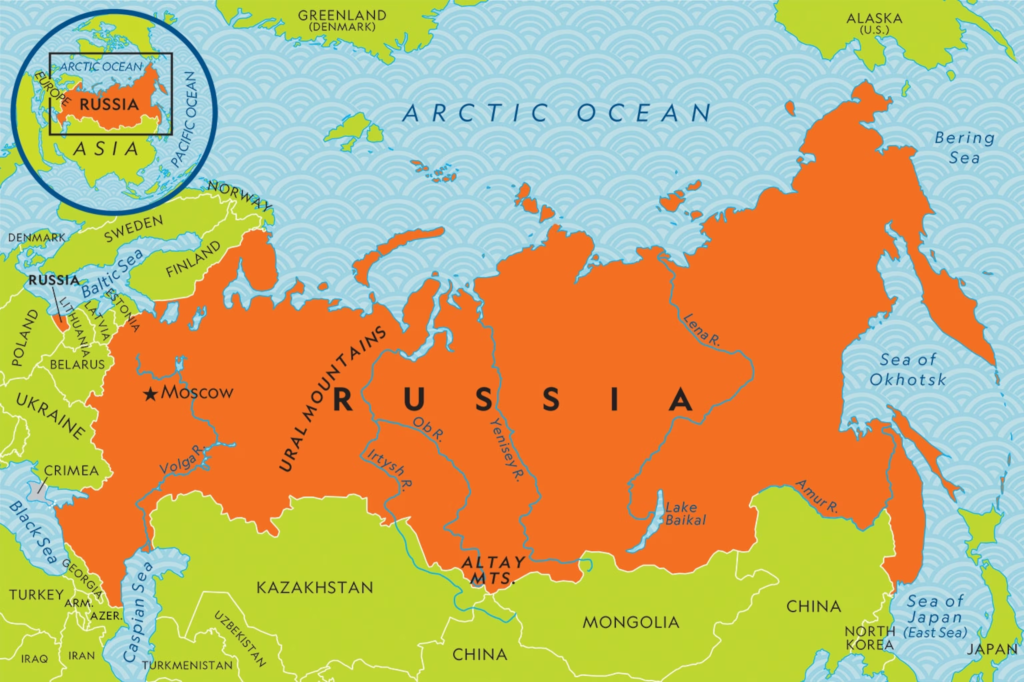
Russia is the largest country in the world, spanning over 17 million square kilometers. It covers parts of both Europe and Asia, making it a transcontinental country. About 77% of Russia’s landmass is in Asia, while the remaining 23% lies in Europe.
The Ural Mountains, which stretch from the Arctic Ocean to the Ural River, serve as the natural border separating European Russia from Asian Russia. Cities west of the Urals, including Moscow and St. Petersburg, are considered European, while cities east of the Urals, such as Vladivostok and Irkutsk, are considered Asian.
For travelers, this means that a journey through Russia can take you across two continents, each offering distinct landscapes, cultures, and experiences.
Cultural Differences Between European and Asian Russia
The European and Asian parts of Russia differ not only geographically but also culturally.
European Russia
European Russia is more urbanized and historically influenced by Europe. Cities like Moscow and St. Petersburg feature classical architecture, museums, and theaters. This part of Russia is more densely populated and has well-developed infrastructure for travelers. European Russia offers a mix of history, culture, and modern amenities, making it ideal for tourists seeking familiar comforts with a Russian twist.
Asian Russia
Asian Russia, often called Siberia, is vast and sparsely populated. It’s known for its wild landscapes, including the Siberian Taiga, Lake Baikal, and the Altai Mountains. The region has unique cultural influences from indigenous peoples and Asian neighbors such as China and Mongolia. Travelers here can experience untouched nature, adventure tourism, and the mysterious charm of rural life in Russia.
Natural Wonders of Asian Russia
For travelers, Asian Russia offers some of the most breathtaking natural attractions in the world.
Lake Baikal
Located in Siberia, Lake Baikal is the world’s deepest and oldest freshwater lake. Its crystal-clear waters and surrounding mountains make it a paradise for nature lovers. Activities like hiking, kayaking, and wildlife photography are popular here.
The Siberian Taiga
The Siberian Taiga is the largest forest in the world, stretching across millions of square kilometers. Travelers can explore this wilderness through guided tours, wildlife safaris, or river cruises. It’s home to bears, wolves, and rare bird species, offering a unique eco-tourism experience.
Kamchatka Peninsula
For adventure seekers, the Kamchatka Peninsula in Asian Russia is a must-visit. Known for its volcanoes, geysers, and hot springs, Kamchatka is ideal for hiking, skiing, and exploring untouched nature.
Major Cities in Asian Russia
While much of Asian Russia is rural, several cities are worth visiting for travelers seeking culture, history, or modern urban experiences.
- Vladivostok: A port city near the Pacific Ocean, famous for its bridges, seafood, and views of the Sea of Japan.
- Novosibirsk: Russia’s third-largest city, known for its theaters, museums, and cultural events.
- Irkutsk: Often called the gateway to Lake Baikal, Irkutsk is a charming city with wooden architecture and rich history.
These cities provide a mix of modern comforts and unique experiences in the Asian part of Russia.
Traveling Across Europe and Asia in Russia
Traveling through Russia can feel like crossing two countries. The European part offers urban experiences, history, and culture, while the Asian part provides nature, adventure, and serenity.
Transportation
Russia has an extensive transportation network connecting its European and Asian regions:
- Trans-Siberian Railway: This iconic railway connects Moscow to Vladivostok, crossing the Urals and covering both Europe and Asia. Travelers can enjoy scenic landscapes and experience the vastness of the country.
- Domestic Flights: Due to the enormous distances, domestic flights are often more practical for tourists traveling between cities in European and Asian Russia.
Visa and Travel Tips
Travelers visiting Russia should consider visa requirements, which vary by nationality. Planning trips across both continents may require careful logistics due to long distances and diverse climates.
Climate Differences Between European and Asian Russia
Russia’s climate varies greatly between its European and Asian regions.
- European Russia: The climate is generally milder, with cold winters and warm summers. Cities like Moscow experience snowy winters, but summers are comfortable for sightseeing.
- Asian Russia: Siberia and the Far East experience extreme cold in winter, often reaching below -40°C, while summers can be surprisingly warm. Travelers should prepare for varying weather conditions depending on the season and region.
Asian Influences on Russian Culture
The Asian part of Russia has influenced the country’s cuisine, traditions, and cultural diversity. Travelers can notice these influences in foods like dumplings, fermented dairy products, and Asian-style soups in Siberia. Indigenous cultures in Asian Russia contribute to unique festivals, crafts, and folklore, providing travelers with authentic cultural experiences.
Adventure Tourism in Asian Russia
For adventurous travelers, Asian Russia is a playground:
- Hiking and Trekking: The Altai Mountains, Kamchatka, and Lake Baikal offer world-class trekking routes.
- Skiing and Snowboarding: Kamchatka and Siberian resorts are popular for winter sports.
- Wildlife Watching: Siberia’s taiga and mountains are perfect for spotting rare animals in their natural habitats.
Travelers seeking adventure will find the Asian part of Russia far more rugged and untamed compared to the European cities.
Is Russia Part of Asia for Travel Purposes?
While only part of Russia lies in Asia, travelers often include both European and Asian regions in their itineraries. For those seeking cultural diversity, historical exploration, and modern cities, European Russia is ideal. For nature lovers, adventure seekers, and those fascinated by remote landscapes, Asian Russia offers experiences like no other.
In short, Russia is both European and Asian, and exploring both continents gives travelers the most complete Russian experience.
Tips for Travelers Exploring Asian Russia
- Plan Ahead: Distances in Russia are enormous, so plan your itinerary carefully.
- Check Seasons: Winter travel in Siberia requires preparation for extreme cold.
- Use Local Guides: Especially in remote areas, local guides can enhance safety and cultural understanding.
- Embrace Local Cuisine: Taste regional dishes influenced by Siberia’s indigenous and Asian neighbors.
- Respect Nature: Asian Russia’s wilderness is pristine; follow eco-friendly practices to preserve it.
READ ABOUT:
Where Was Jurassic Park Filmed? A Complete Travel Guide to the Real Locations
Conclusion
So, is Russia part of Asia? Geographically, the answer is yes—most of its territory lies in Asia. Culturally and historically, Russia spans two continents, offering a blend of European sophistication and Asian wilderness. For travelers, this dual identity means an unparalleled variety of experiences, from grand cities and rich history to vast forests, lakes, and mountains.
Whether you are exploring the theaters of Moscow, the markets of Irkutsk, or the natural beauty of Lake Baikal, Russia’s Asian side offers adventure, culture, and breathtaking scenery that no other country can match.
For anyone planning a trip, remember: traveling through Russia is not just a journey across a country—it’s a journey across continents.
Frequently Asked Questions (FAQ)
1. Is Russia part of Asia or Europe?
Russia is a transcontinental country spanning both Europe and Asia. About 77% of its landmass lies in Asia, while 23% is in Europe. The Ural Mountains serve as the natural boundary between the two continents.
2. What is the difference between European Russia and Asian Russia?
European Russia is more urban, developed, and historically influenced by Europe, with cities like Moscow and St. Petersburg. Asian Russia, often called Siberia, is vast, sparsely populated, and known for its natural landscapes, indigenous cultures, and adventure tourism.
3. Which part of Russia should travelers visit for nature?
For nature and adventure, travelers should explore Asian Russia. Highlights include Lake Baikal, the Siberian Taiga, and the Kamchatka Peninsula, which offer hiking, wildlife spotting, and breathtaking scenery.
4. Can you travel from European Russia to Asian Russia easily?
Yes! The Trans-Siberian Railway is the most famous way to travel across the country, connecting Moscow to Vladivostok. Domestic flights are also available due to the large distances.
5. What are the major cities in Asian Russia worth visiting?
Key cities include Vladivostok (port city and cultural hub), Irkutsk (gateway to Lake Baikal), and Novosibirsk (a modern Siberian city with cultural attractions).